
An artificial intelligence-backed virtual biotech company predicted drug trial success and independently designed a lung cancer therapy that was later validated in trials.

Stanford Medicine researchers converted scientific papers into artificial intelligence agents that can answer questions, run analyses and collaborate to make new discoveries.
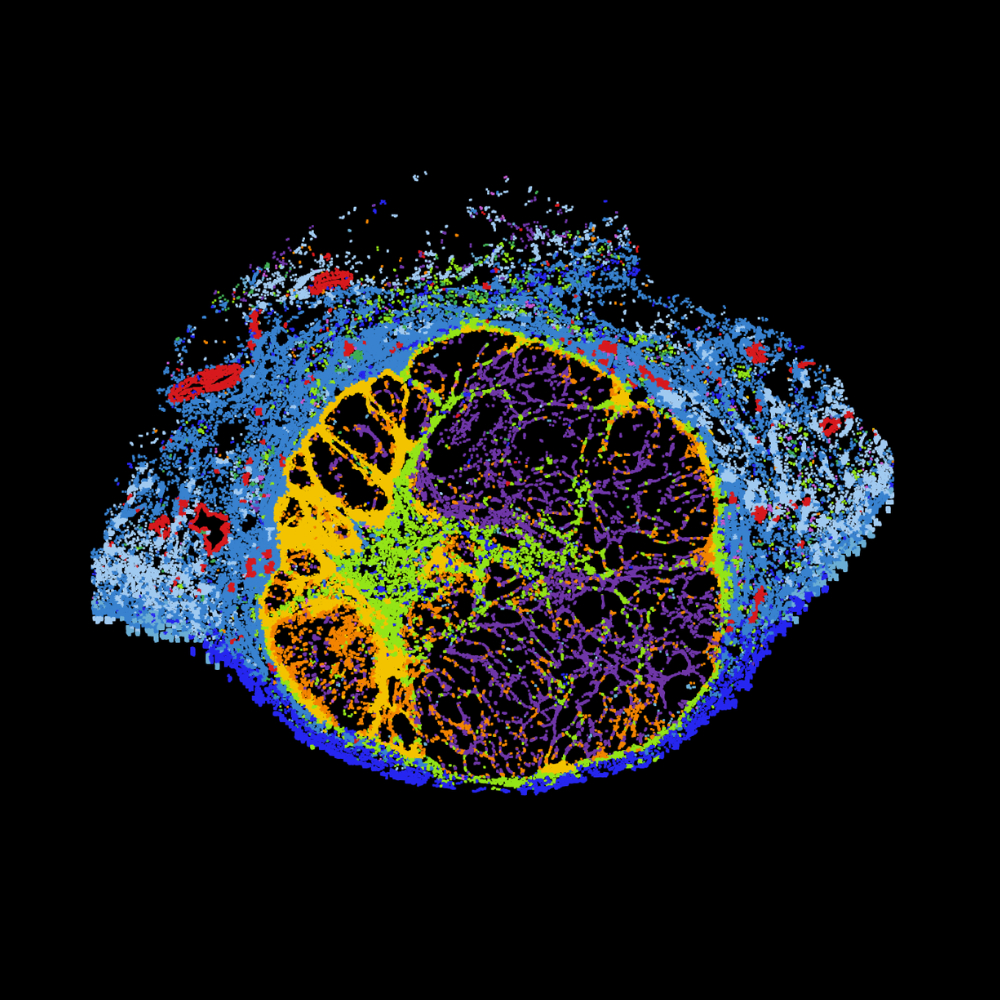
PANORAMIC, a new open-source tool, discovered immune signals in colon cancer that were missed by existing methods.
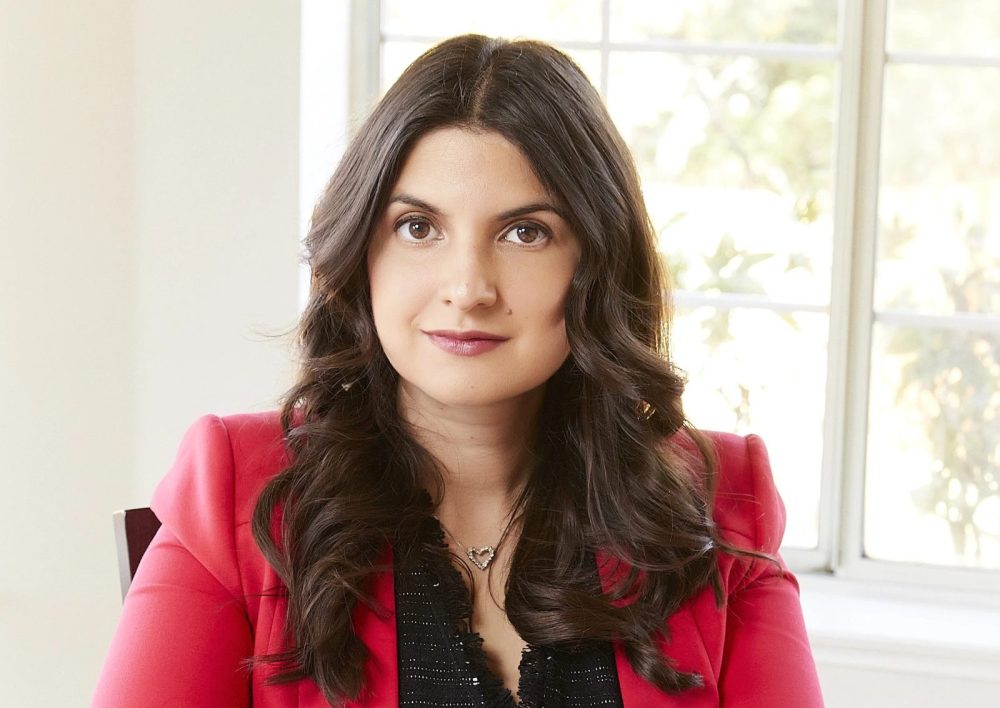
Roxana Daneshjou, assistant professor of biomedical data science, has been named a Fierce 50 Innovation Honoree.
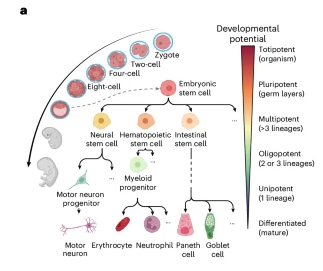
The tool could help scientists accelerate discoveries in areas ranging from basic cell biology to disease diagnosis and treatment.
How does the human brain work to make meaning? Can researchers develop an AI model that captures this process?
Researchers are venturing into a new area of collaboration that relies on agentic AI, co-scientists that can act independently and help humans ideate,

Aaron Newman, associate professor of biomedical data science, has been awarded a Trailblazer Cancer Research Grant by the American Association for Cancer Research.
Speakers from academia, industry, government and nonprofits explored developing and implementing artificial intelligence in medicine responsibly, effectively and reliably.
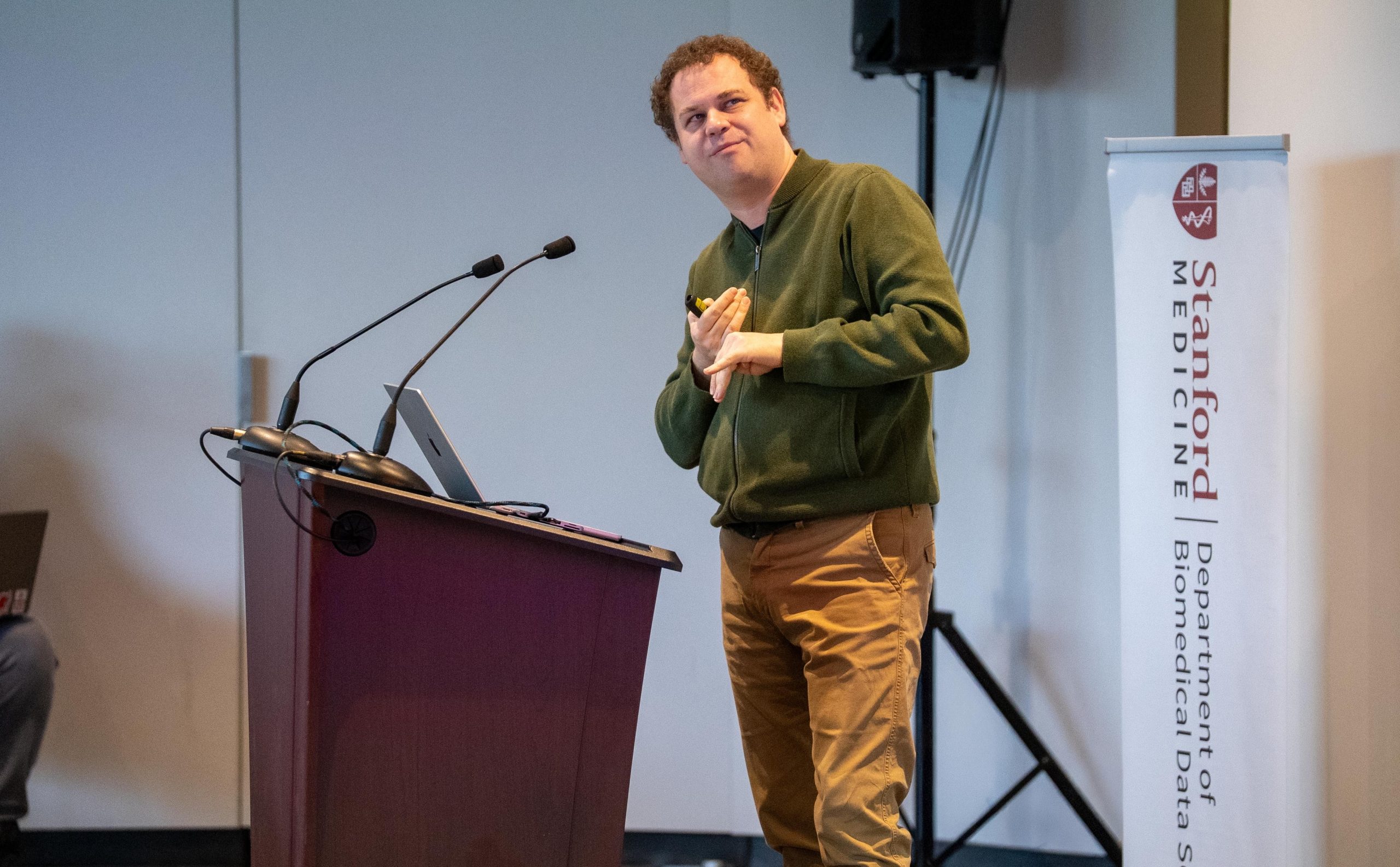
Next Frontier in Medicine: AI That Learns, Adapts, and Helps Develop Medical Cures
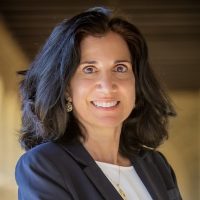
DBDS Chair Sylvia Plevritis, PhD, has been elected to the 2026 class of fellows at the International Society for Computational Biology—a fellowship program that recognizes excellence in computational biology.
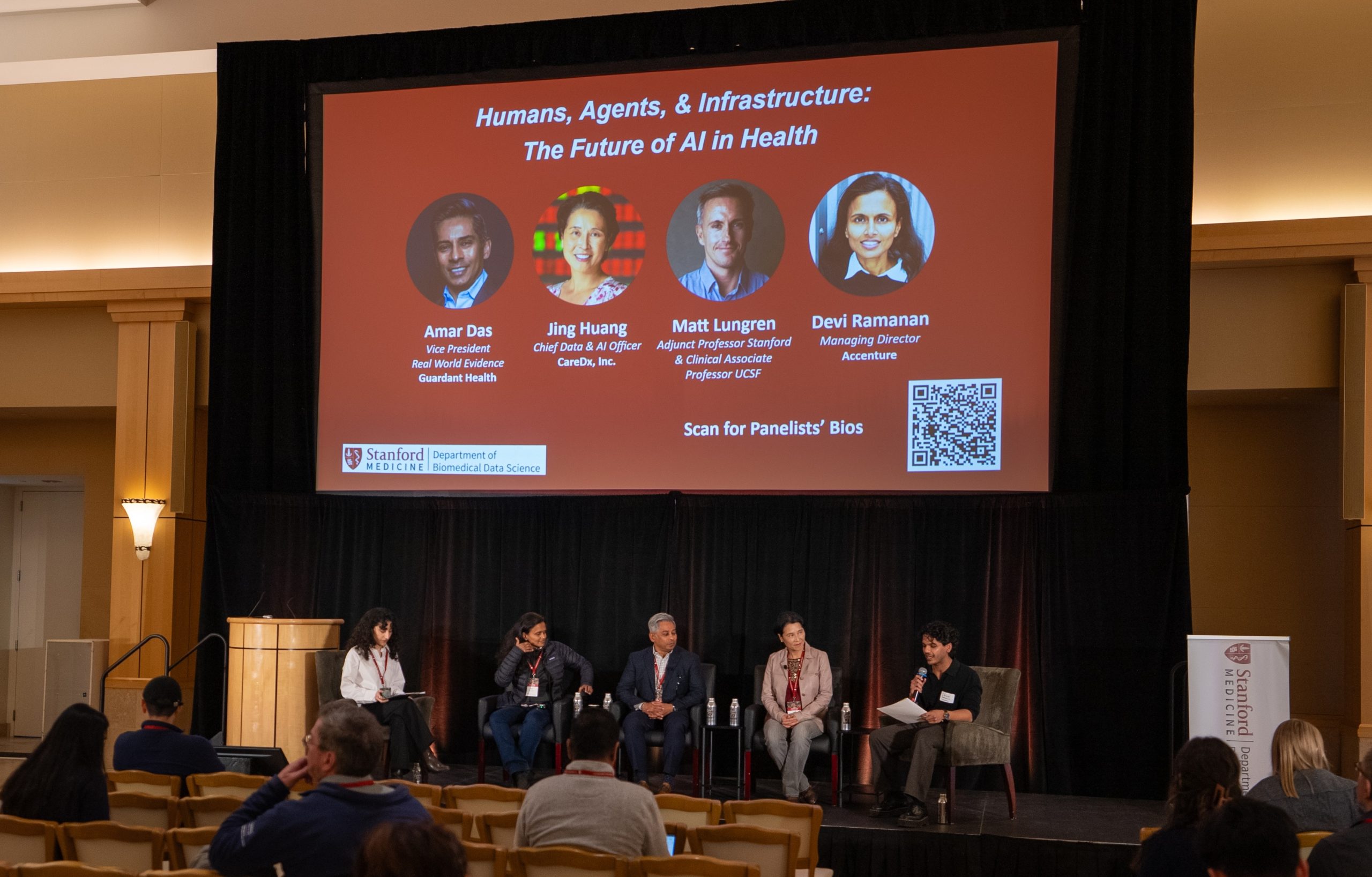
In 2026, AI is no longer adjacent to healthcare—it is integral to it. AI is creating new opportunities to interpret complex biomedical data and generate insights relevant to research and patient care.

Trevor Hastie & Rob Tibshirani (along with Sourav Chatterjee) have just published a new paper “Univariate-guided sparse regression” where they present a new statistical tool called “uniLasso” that improves how we build predictive models from data.

The first Executive AI Summit on Healthcare and Medicine was held by Stanford’s Biomedical Data Science Department and Accenture on April 8,

Tanveer Syeda-Mahmood has been selected to receive the 2025 EMBS Professional Career Achievement Award “for outstanding technical achievement and leadership in multimodal decision support with lasting impact to academia/industry in multimodal healthcare AI.”
The award is given annually “for outstanding contributions advancing Biomedical Engineering and its professional practices as a practicing biomedical engineer working in industry,

Congratulations to Serena Yeung-Levy, Alejandro Lozano, Minwoo Sun, Jeff Nirschl, and James Burguess on receiving an NVIDIA Academic Grant in support of BioMed-MLLM: A Family of Open Multi-modal Large Language Models for Biomedicine.

Tumor boards are “high-stakes, high-cost meetings for high-risk patients,” says Timothy Keyes, a data scientist at Stanford Health Care and a combined MD and PhD candidate in cancer biology and biomedical informatics at Stanford University School of Medicine.


The DBDS Education Committee undertook a “Curriculum Review Project” that culminated in a published review about graduate curriculum in Biomedical Data Science.

In an rousing event that connected industry leaders from biopharma, consulting, tech, and start-up companies with Stanford faculty, postdocs, and students from the Department of Biomedical Data Science (DBDS),

More than three-quarters of the AI software cleared by the Food and Drug Administration for medical use is designed to support radiology practice,

When a large language model first passed the United States Medical Licensing Exam in 2023, it was a big deal.

We are excited to announce the opening registration website for the 8th Stat4Onc Annual Symposium, which will take place May 16-17,

An algorithm that learned from tens of thousands of nutrition prescriptions for premature babies could reduce medical errors and better identify what nutrients the smallest patients need.

Abstract: Recent breakthroughs in artificial intelligence (AI) are increasingly driven by systems orchestrating multiple large language models (LLMs) and other specialized tools,

Abstract: Clinical diagnosis typically incorporates physical examination, patient history, various laboratory tests, and imaging studies but makes limited use of the human immune system’s own record of antigen exposures encoded by receptors on B cells and T cells.
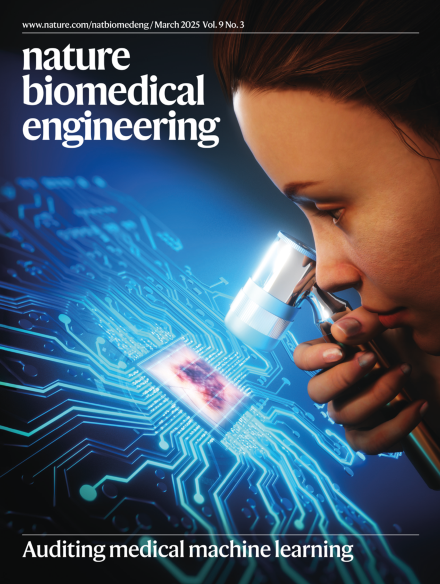

MedArena is a free platform for clinicians to use and compare how frontier LLMs work on medical queries.
Check it out at: https://medarena.ai/login
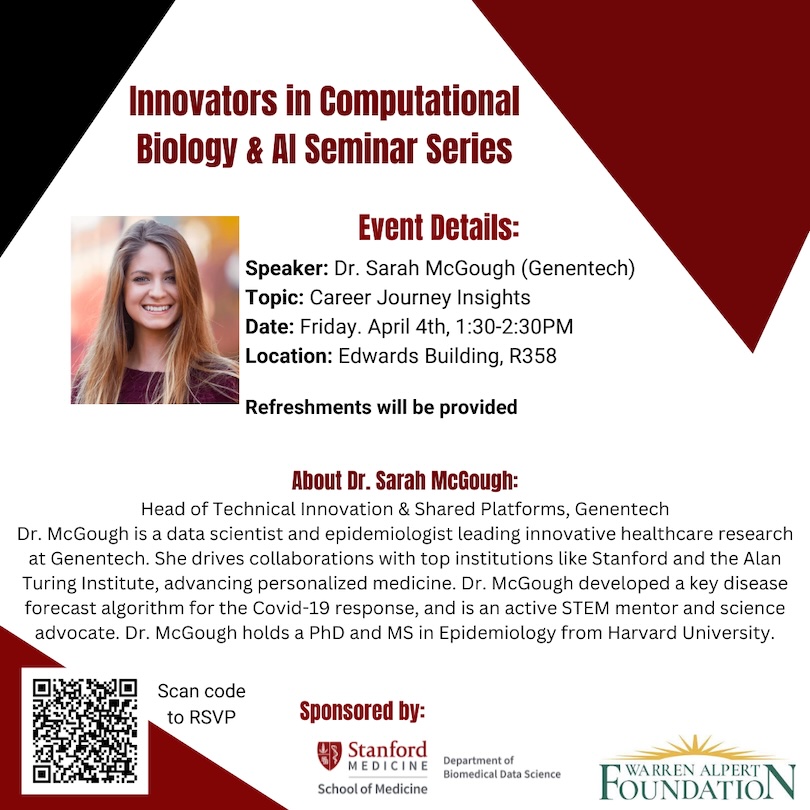
We are excited to introduce a new seminar series – “Innovators in Computational Biology & AI,” sponsored by the Warren Alpert CBAI Scholars Program.

BIOCOMPUTING 2025 – PROCEEDINGS OF THE PACIFIC SYMPOSIUM (https://doi.org/10.1142/14153), edited by Teri E. Klein, Russ Altman and Tiffany Murray has recently been published.


DBDS’ James Zou awarded Overton Prize
Awarded by ISCB, the prize recognizes the research, education, and service accomplishments of early to mid-career scientists who are emerging leaders in computational biology.

“My lab has had a long-standing interest in understanding how aggressive breast tumors arise, why they are resistant to therapy,

Rare variant association studies (RVAS) of complex traits have emerged as a powerful approach to advance drug discovery and diagnostics.

“Medicine is in the dawn of a fundamental shift from using artificial intelligence (AI) as tools to deploying AI as agents.

“This is a new era for us,” Chair of the Department of Biomedical Data Science Sylvia Plevritis began, opening the third annual Collaboration &


The Zou Group is excited to announce that a new precision oncology paper published in Nature Communications https://www.nature.com/articles/s41467-024-55251-5.

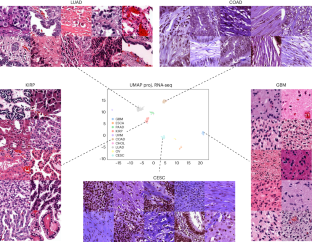
The Gevaert Lab has developed SEQUOIA, a transformer model that predicts cancer transcriptomic profiles from whole slide images, enabling cost-effective genetic insights from H&E images.

The Zou Group is very excited to have a new paper on spatial single-cell aging clocks published in Nature, led by DBDS PhD student Eric Sun.

“Simple and effective embedding model for single-cell biology built from ChatGPT” from the Zou Group has been published in Nature Biomedical Engineering.

Doctors are using AI. Will it make healtchcare better or break it?
Millions are already being treated by doctors using artificial intelligence to take notes and draft emails to patients.

The Zou group is excited to share that they have 11 papers published in Neurips 2024, one of the main AI conferences.

This event aims to connect leaders from various sectors with our faculty, students, and staff to discuss advancements in AI,

Machine learning operations (MLOps), a discipline concerned with the production, monitoring and maintenance of artificial intelligence (AI) and machine learning (ML) models at scale,


An award of up to $8.9 million from The Advanced Research Projects Agency for Health (ARPA-H) to the Stanford Department of Biomedical Data Science (DBDS) will fund Stanford researchers in the development of AI-augmented support tools for cancer tumor boards.

The focus: integrating AI into the data scientist’s workflow, discuss challenges and solutions, implications for the next generation, where we would address how the field is/should be evolving,

We are delighted to announce that Dr. Aaron Newman has been promoted to the role of Associate Professor of Biomedical Data Science.


The Shah Group has a new systematic review — https://jamanetwork.com/journals/jama/fullarticle/2825147 — in JAMA on Testing and Evaluation of Health Care Applications of Large Language Models,


Leslie (M.S. student) and Cally (M.S. student) each had their research accepted for presentation at ABRCMS (Annual Biomedical Research Conference for Minoritized Scientists) in Pittsburgh,

RNA secondary and tertiary structure is critically involved in ribozyme and ribosomal rRNA function, as well as viral and cellular regulation.

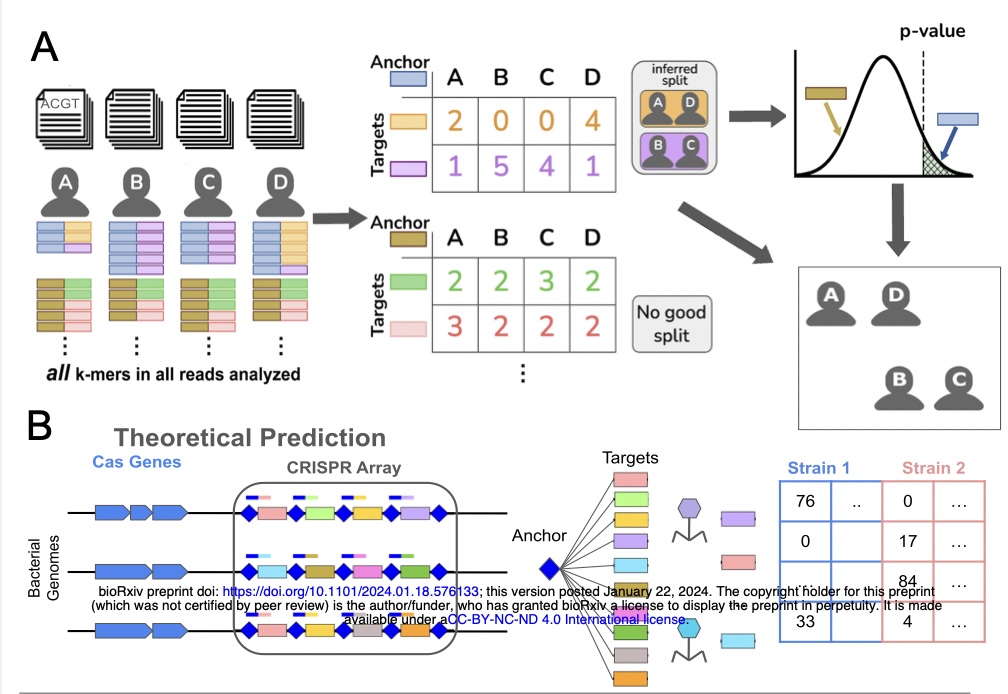
The SPLASH2 paper from the Salzman Lab was published online in Nature Biotechnology:
Title: Scalable and unsupervised discovery from raw sequencing reads using SPLASH2
Link: https://www.nature.com/articles/s41587-024-02381-2
·Authors:
- Marek Kokot*,


SoM Dean Minor discusses AI Tumor Boards; AI in scanning pathology slides, AI biases and how AI can impact patient outcomes and treatment.
Erin Craig, 6th Year PhD Student
(12:15pm-12:45pm)
Title: MMIL: A novel algorithm for disease associated cell type discovery
Abstract: Single-cell datasets often lack individual cell labels,

It’s time to put that technology to work widely — in ways that prioritize conscientious protocols designed to prevent bias in data gathering and use in patient care,

As artificial intelligence changes the way medicine is practiced, humans become more beholden to algorithms — making it crucial to get those machine-human collaborations correct at the outset.

EchoNet, developed by the Zou Lab, is advanced image post-processing analysis software designed to aid diagnostic review, analysis, and reporting of echocardiographic DICOM images for cardiac function,
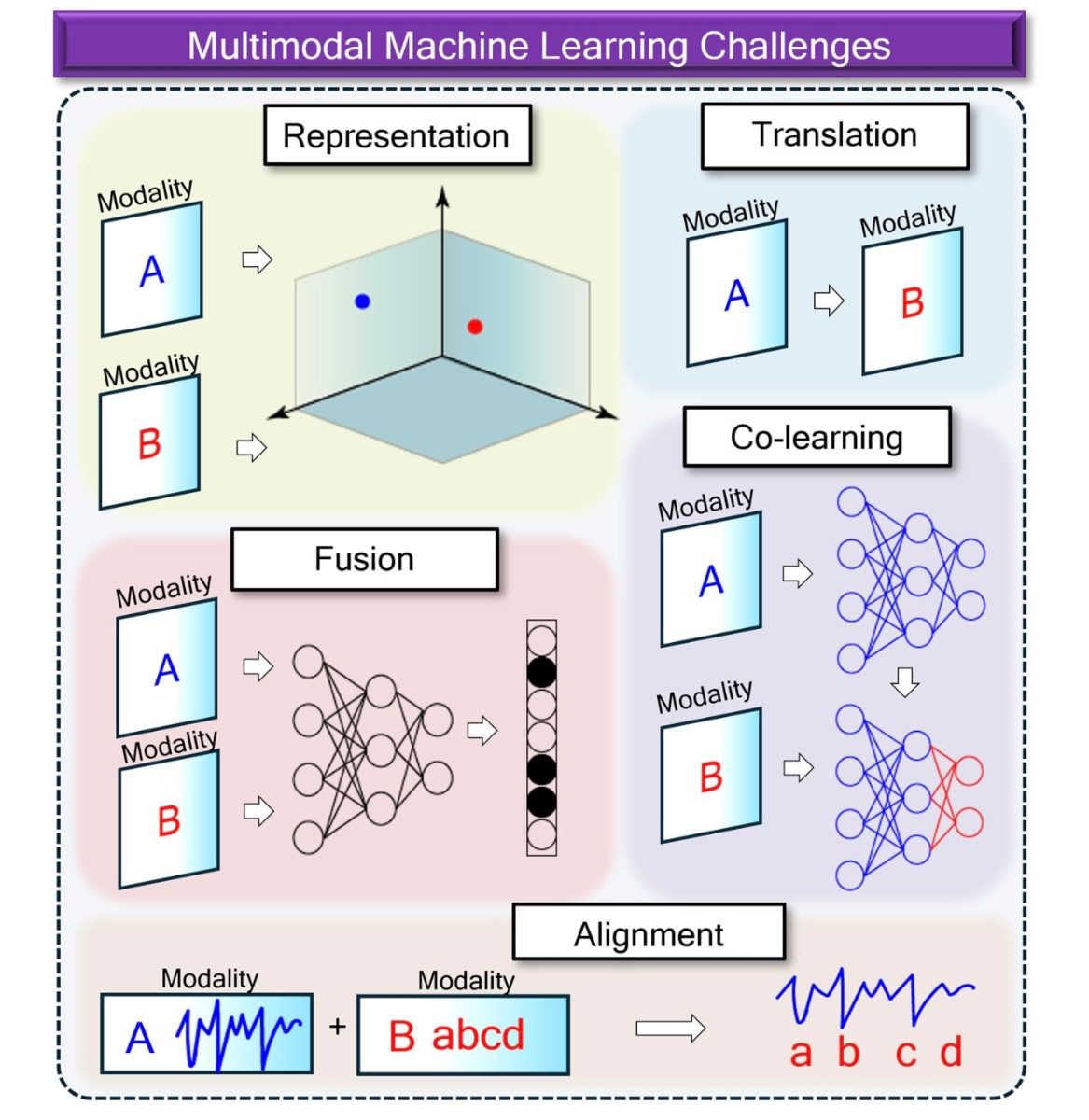
A survey article on multimodal models for clinical biomedicine was published in the International Journal of Computer Vision for which DBDS adjunct faculty Dr.
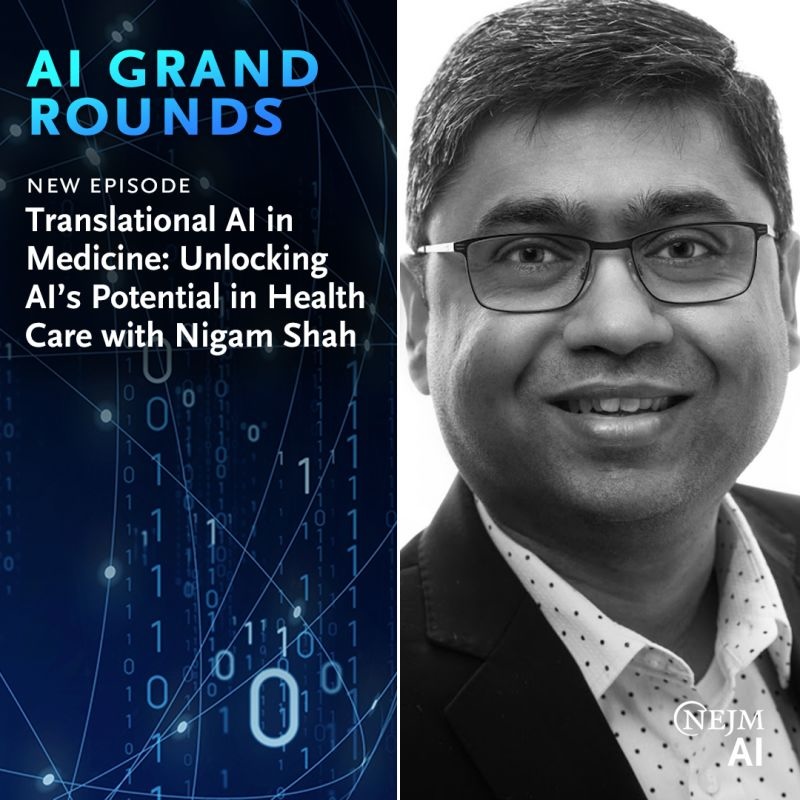
In this episode of the AI Grand Rounds podcast, Dr. Nigam Shah, a distinguished Professor of Medicine at Stanford University and inaugural Chief Data Scientist for Stanford Health Care,

Congratulations to Sohaib Hassan, Elana Simon and Selina Junyi Pi who were all awarded the NSF Graduate Research Fellowship Program (GRFP).
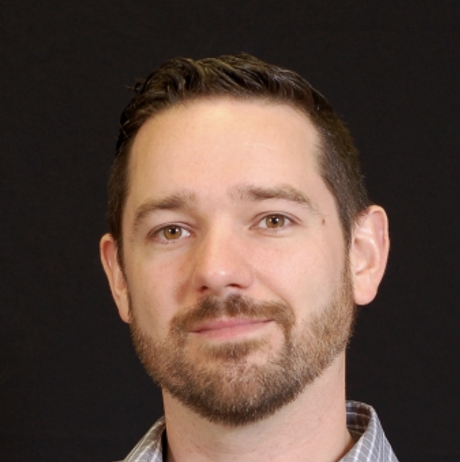
Please join us at the next monthly CCSB Seminar, Friday, April 19, from 11 AM to 12 PM.
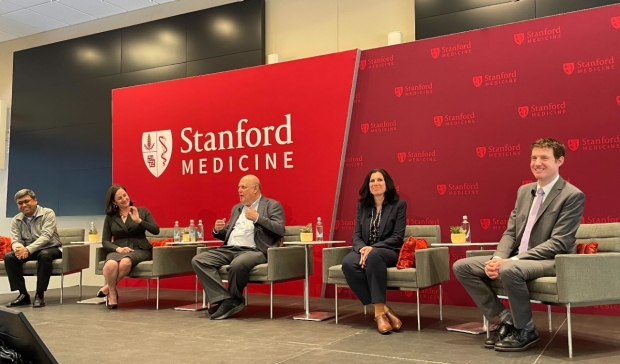
Leaders of Stanford Medicine discuss artificial intelligence in health and medicine; its usefulness in research, education and patient care; and how to responsibly integrate the technology.

Understanding the genetic factors that underlie the normal variation in cardiac anatomy is of great interest. In this study, Rodrigo Bonazzola et al.
The ClinGen Pharmacogenomics Working Group: Developing frameworks for evaluating pharmacogenomic gene validity and actionability
Read it here: https://www.sciencedirect.com/science/article/pii/S294977442400222X
Generating a framework for curating mechanism of disease in monogenic conditions: A consensus effort of the Gene Curation Coalition*
Read it here: https://www.gimopen.org/article/S2949-7744(24)00622-8/fulltext
Professor Nigam Shah shares his early experiences with AI, called ‘application of reasoning’, how this has evolved, and how AI and web applications like ChatGPT have changed the landscape of how AI is being used.

DBDS PhD student Yusuf Roohani’s work on universal cell embeddings was featured in a New York Times article: “

Hospitals struggle to validate AI-generated clinical summaries
Click here to read
AI health care companies say they’ll keep humans in the loop.

A new $5 million grant from the Warren Alpert Foundation was recently awarded to the Department of Biomedical Data Science (DBDS) at the Stanford School of Medicine.
Read it here:
https://www.tandfonline.com/doi/full/10.1080/00031305.2024.2327535
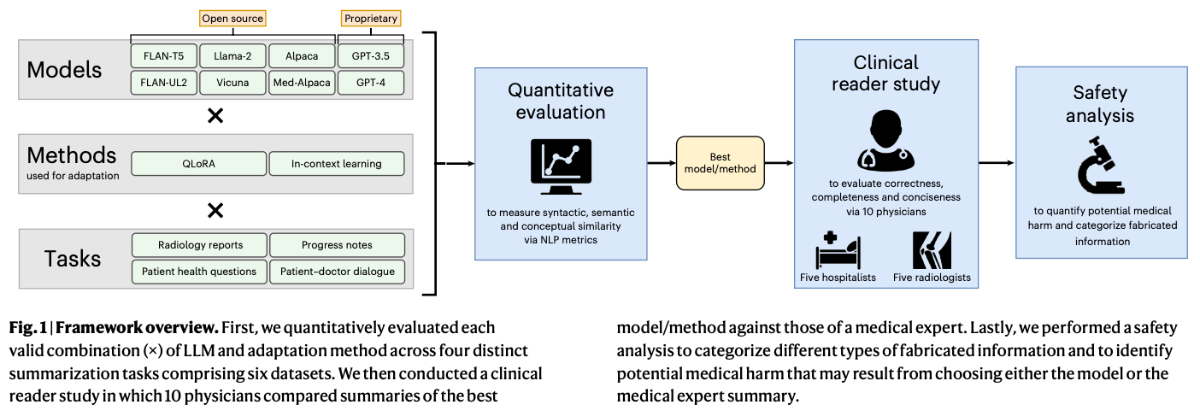
Akshay Chaudhari’s group publishes new paper in Nature Medicine on adapting open-source and closed-source large language models for clinical text summarization tasks.
StanfordMed LIVE: The State of AI in Health and Medicine
Join StanfordMed LIVE for this special panel discussion on the state of AI in health and medicine on March 18,
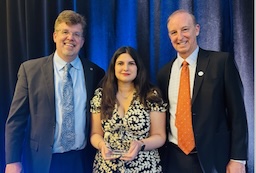
DBDS’ Roxana Daneshjou was selected as 2024 recipient of the American Academy of Dermatology Young Investigator Award for her significant research advances in the science and practice of dermatology.
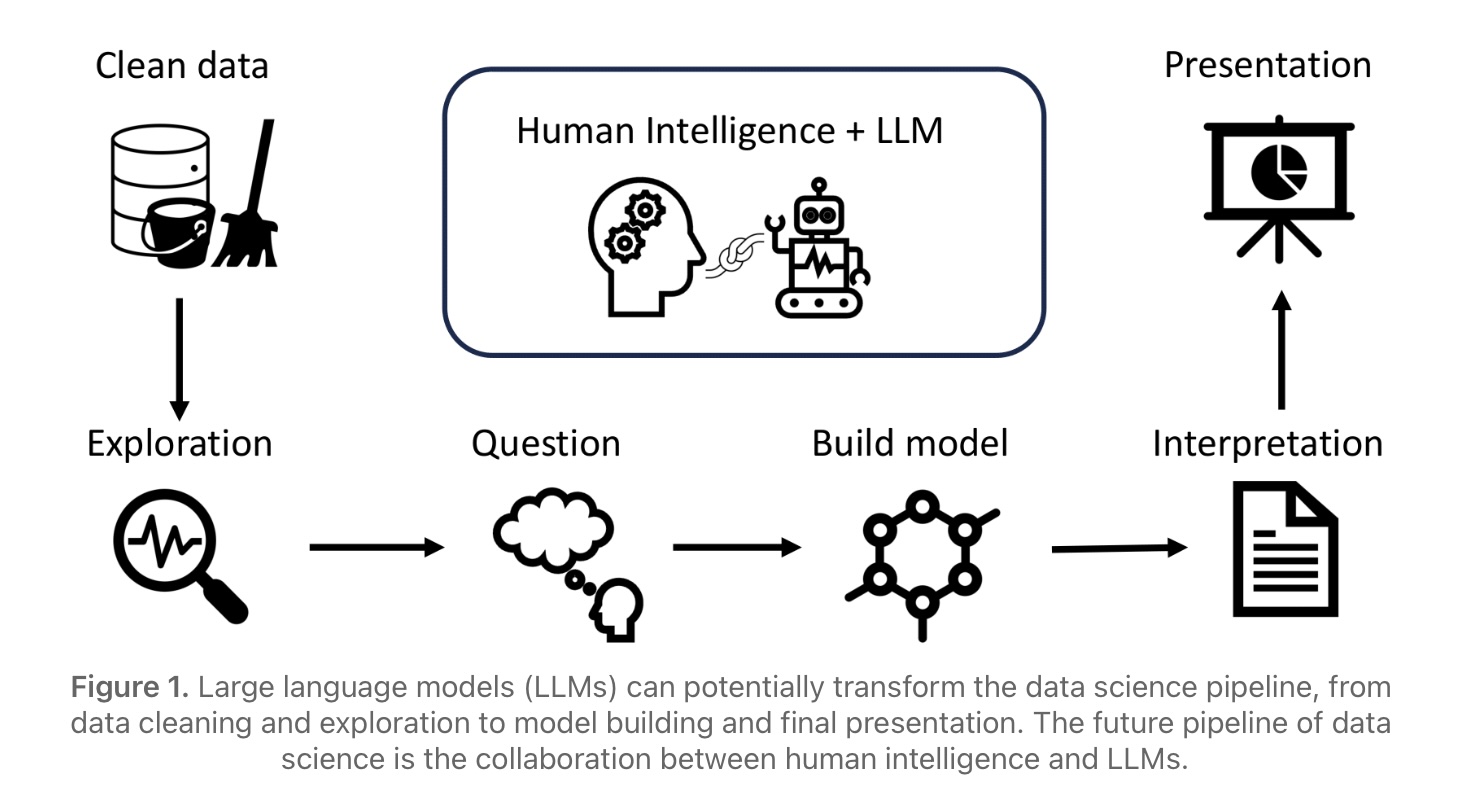
James Zou team: New paper recently published in the Harvard Data Science Review discussing how data science can benefit from large language models (LLMs) https://hdsr.mitpress.mit.edu/pub/pqiufdew/release/2?readingCollection=3a653084.


A recently published paper, “Guiding Principles to Address the Impact of Algorithm Bias on Racial and Ethnic Disparities in Health and Health Care,” of which Tina Hernandez-Boussard,

Stanford Medicine is committed to being digitally driven, adopting cutting-edge technologies that advance our missions of research,

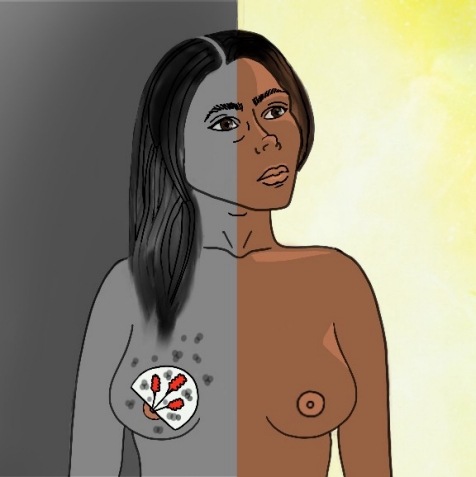
Treatment of metastatic disease is responsible for nearly one-third of the decrease in annual deaths from breast cancer from 1975 to 2019,

Julia Salzman’s new paper on Cell today:
Today’s genomics workflows typically require alignment to a reference sequence, which limits discovery.

The COVID-19 pandemic has taken a devastating toll around the world. Since January 2020, the World Health Organization estimates 14.9 million excess deaths have occurred globally.
Gina Bouchard: Computational frameworks to quantify and compare microenvironment spatial features of in vitro patient-derived models and clinical specimens are needed.
