Posts classified under: DBDS

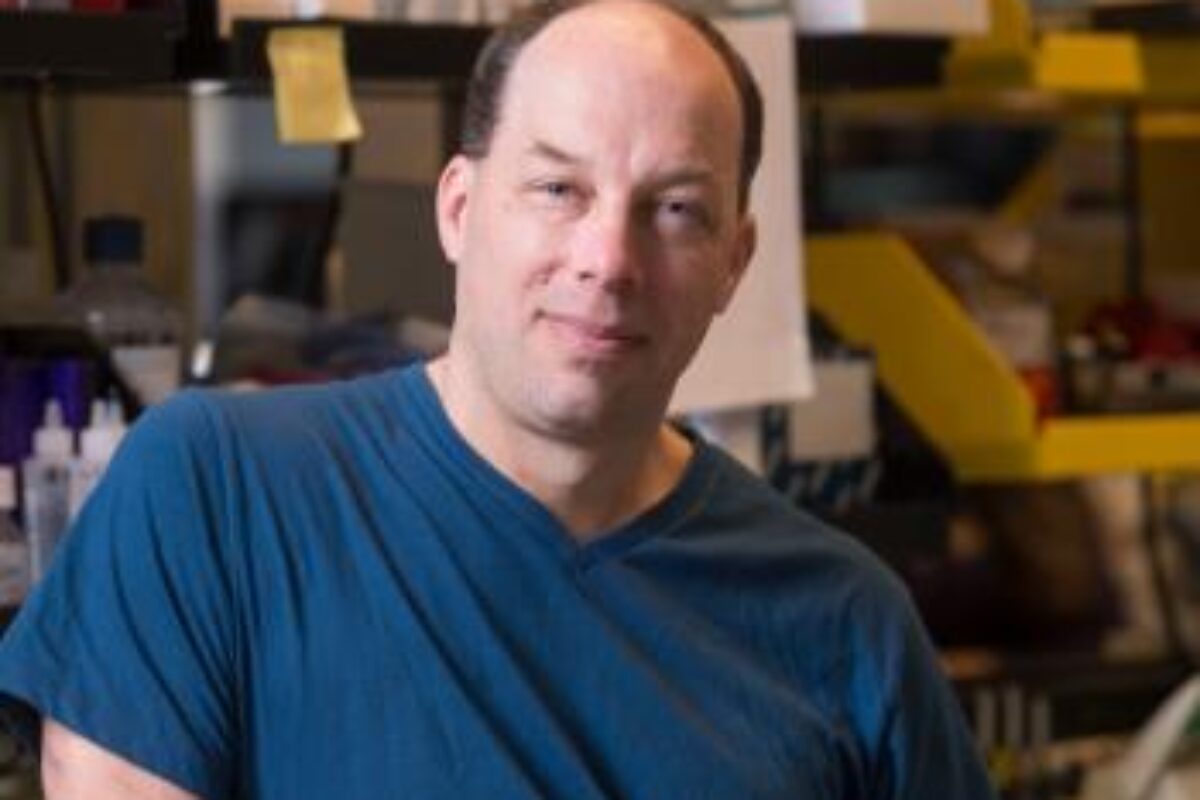
David Rehkopf

My research is focused on understanding the health implications of the myriad decisions that are made by corporations and governments every day — decisions that profoundly shape the social and economic worlds in which we live and work. I analyze population based datasets to demonstrate the health implications of economic and social factors that can give the public and policy makers evidence to support new strategies for promoting health and well-being. In all of his work, I focus on the implications of these exposures for health inequalities. Since often policy and programmatic changes can take decades to influence health, my research also includes more basic research in understanding biological signals that may act as early warning signs of systemic disease, in particular accelerated aging. I examine how social and economic policy changes influence a range of early markers of disease and aging, with a particular recent focus on DNA methylation.


https://profiles.stanford.edu/david-rehkopf

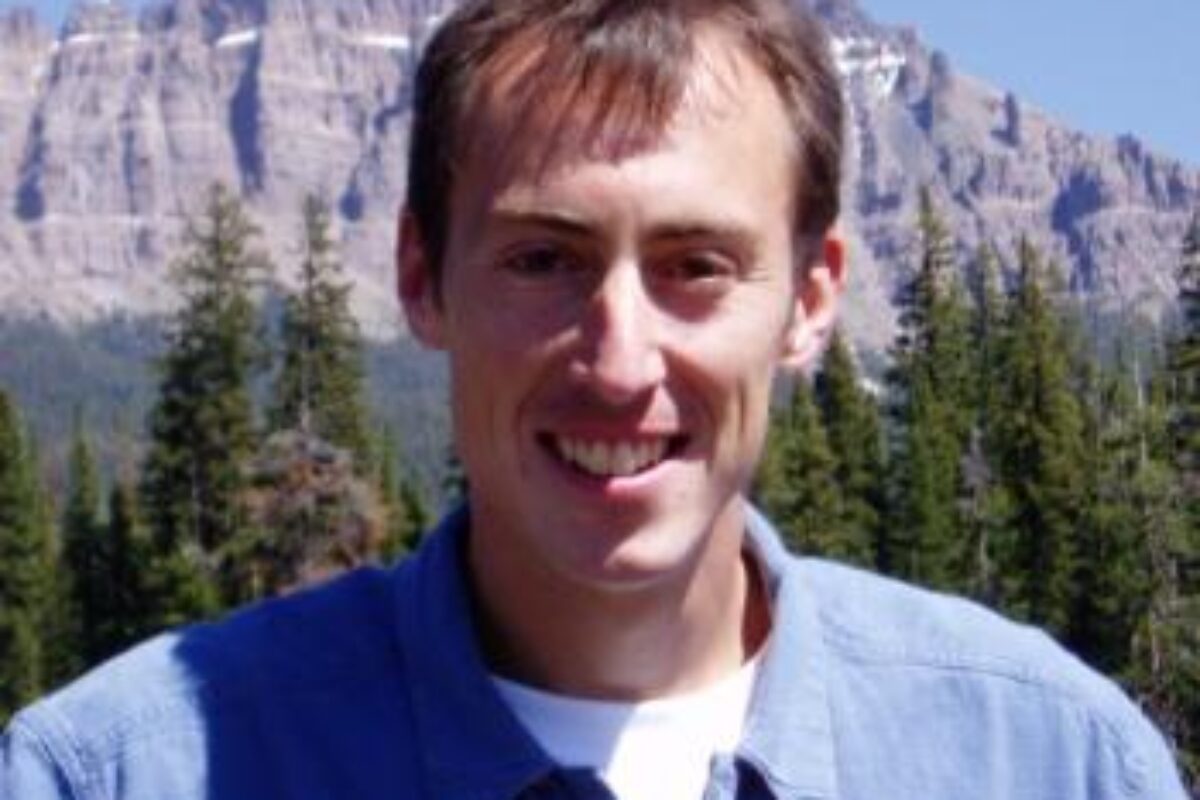
Stephen Quake

Interests lie at the nexus of physics, biology, and biotechnology. His research is concerned with developing new approaches to biological measurement and applying these approaches to problems of both fundamental and medical interest. Areas of interest include genomic diagnostics, systems biology, microbial ecology, and single cell genomics. Read more about the Quake Lab.
https://profiles.stanford.edu/stephen-quake

Jonathan Pritchard

Our group uses statistical and computational methods to study questions in genomics and evolutionary biology. Much of our work focuses on questions relating to genetic variation and evolution. An important part of our work is in developing appropriate statistical and computational approaches that can yield new insights into biological data.

https://profiles.stanford.edu/jonathan-pritchard

Russell Poldrack

My lab’s research uses neuroimaging to understand how neural systems give rise to complex cognitive functions and how these systems break down in neuropsychiatric disorders. We use machine learning techniques to decode behavior from neuroimaging data and to characterize the multidimensional structure of neural representations. We are also heavily involved in the development of neuroinformatics tools, including ontologies of mental function (through the Cognitive Atlas project), data sharing (through the OpenFMRI and Neurovault projects), and automated meta-analysis (through the Neurosynth project).

https://profiles.stanford.edu/russell-poldrack