Posts classified under: DBDS

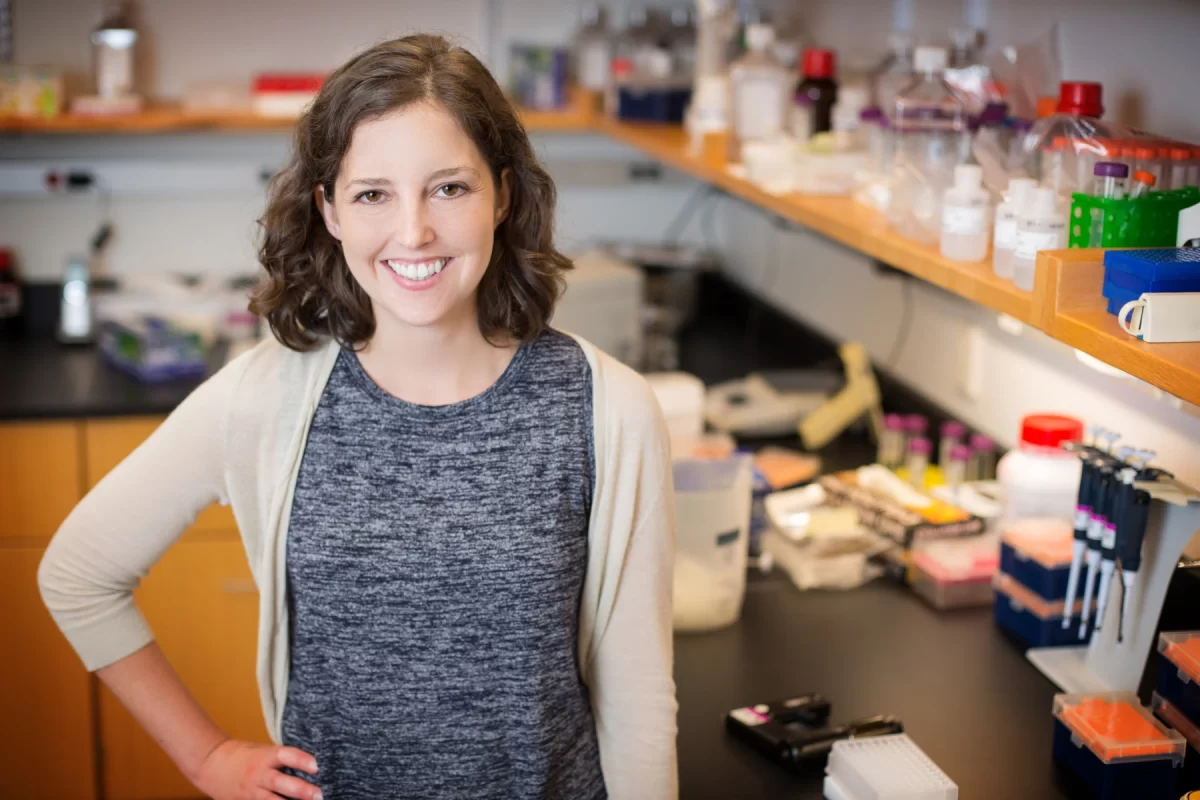
Michael Bassik

We study how endocytic pathogens such as bacterial toxins, viruses, and protein aggregates enter the cell, disrupt homeostasis, and cause apoptosis. More broadly, we would like to understand how diverse stresses induced by biological, chemical, and therapeutic agents signal to the cell death machinery.

To do this, we use basic cell biology and biochemistry, as well as novel ultra-complex shRNA libraries we have developed, which have allowed the first systematic genetic interaction maps in mammalian cells. A complementary interest is the development of technologies for screening and measuring genetic interactions, with the ultimate goal of finding synergistic drug targets for endocytic pathogens and other diseases such as cancer and Alzheimer’s.

Lei Xing

Medical imaging informatics, image reconstruction, Image-guided intervention, CT, MRI and radionuclide imaging (PET/CT, SPECT/CT), intensity modulated radiation therapy (IMRT), treatment planning and plan optimization, image segmentation and deformable registration, tele-radiology/treatment planning, radiobiology modeling, biologically conformable radiation therapy (BCR), application of molecular imaging to radiation oncology.

https://med.stanford.edu/profiles/lei-xing
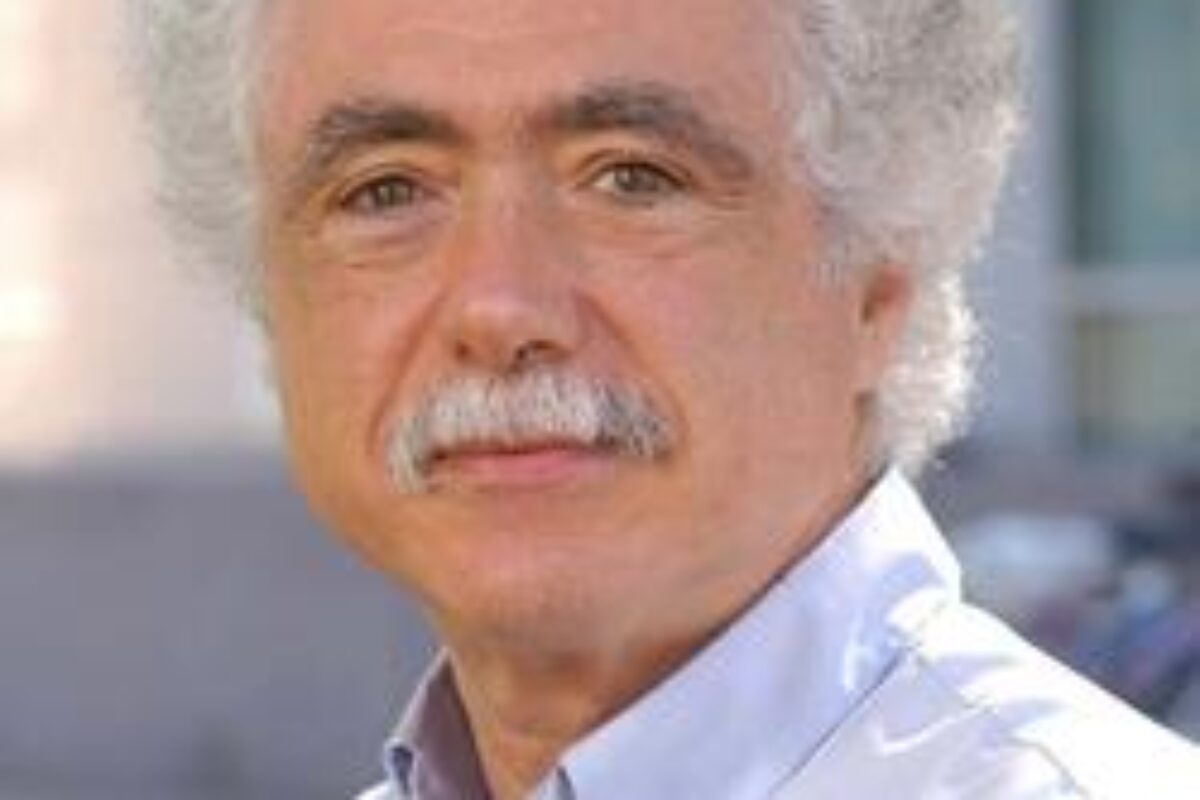
 

Terry Winograd

Research is on human-computer interaction design, with a focus on the theoretical background and conceptual models. He directs the teaching programs and HCI research in the Stanford Human-Computer Interaction Group. He is also a founding faculty member of the Hasso Plattner Institute of Design at Stanford (the “d.school”) and on the faculty of the Center on Democracy, Development, and the Rule of Law (CDDRL)


https://hci.stanford.edu/winograd/

Molly Schumer

Hybridization between species is a common process in the evolutionary history of many species, including our own. Despite this, the evolutionary consequences of hybridization are still relatively poorly understood. We focus on using genomic, computational and experimental approaches to understand how hybridization shapes the evolution of genomes and species. Current projects in the lab include developing new approaches to detect selection after hybridization, time-transect monitoring of hybrid genome evolution, and understanding the genetic architecture of hybrid incompatibilities.

https://schumerlab.com/