Posts classified under: Faculty

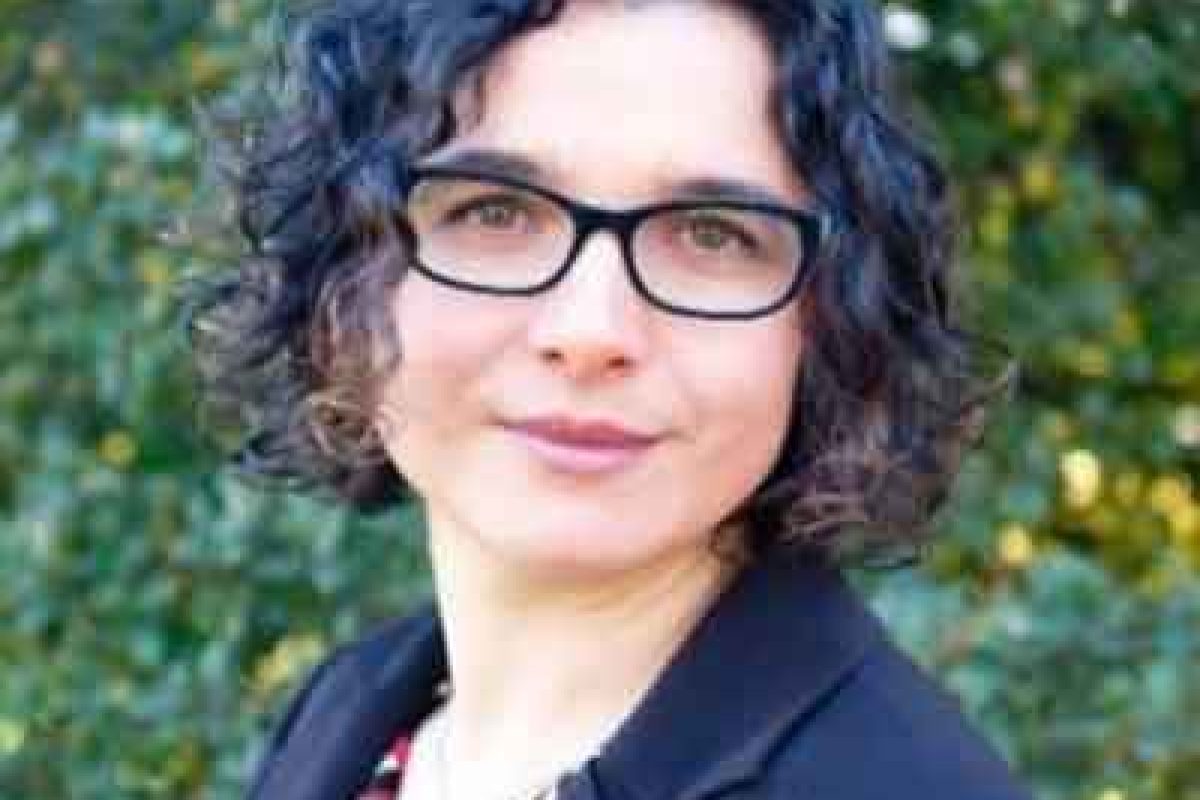
Mirabela Rusu

Research focuses on developing analytic methods for biomedical data integration, with a particular interest in the spatial integration of radiology and pathology images. Such integrative methods may be applied to create comprehensive multi-scale representations of biomedical processes and pathological conditions, thus enabling their in-depth characterization. The radiology-pathology fusion allows the creation of rich spatial labels that can be used as input for advanced machine learning to predict the presence and aggressiveness of cancers.

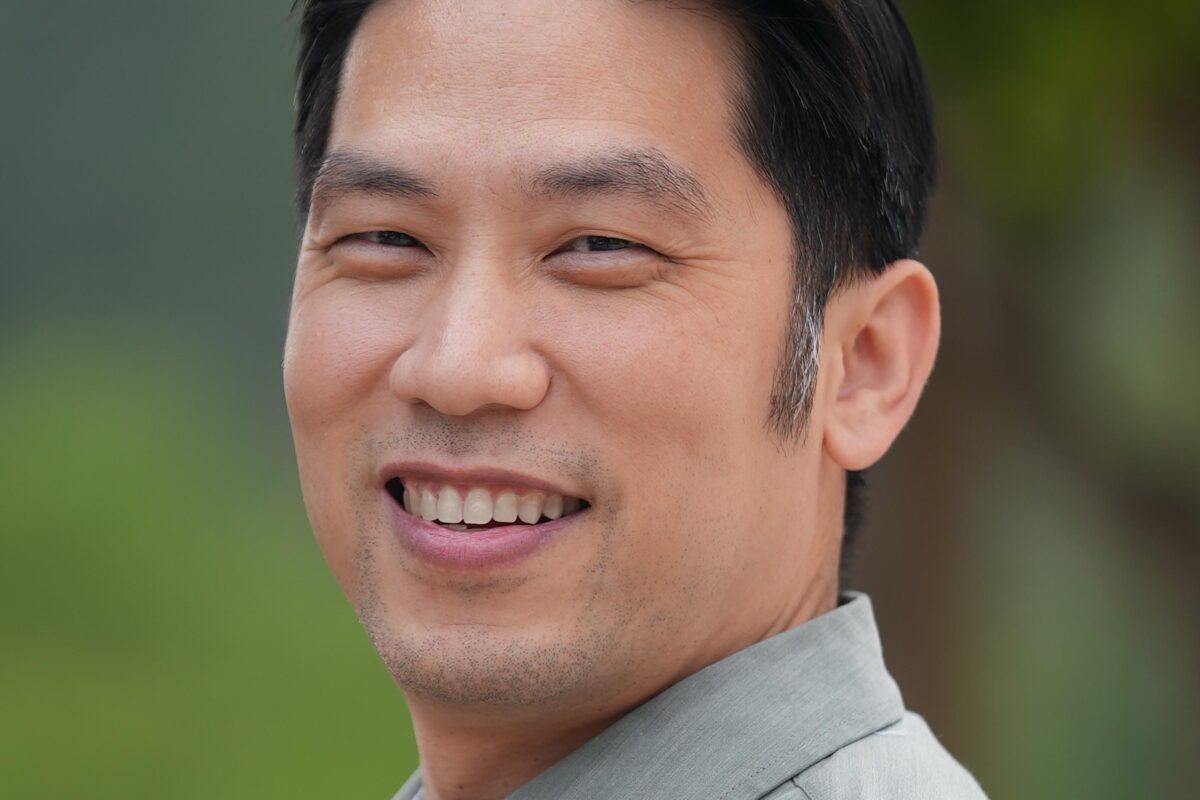
Matthew Lungren

Deep Learning in medical imaging (diagnosis, prediction) and clinical imaging outcomes prediction, clinical decision support, imaging utilization and appropriateness, cohort feature engineering with structured and unstructured EMR data for modeling applications

Jonathan H. Chen

In the face of ever escalating complexity in medicine, integrating informatics solutions is the only credible approach to systematically address challenges in healthcare. Tapping into real-world clinical data streams like electronic medical records with machine learning and data analytics will reveal the community’s latent knowledge in a reproducible form. Delivering this back to clinicians, patients, and healthcare systems as clinical decision support will uniquely close the loop on a continuously learning health system. My group seeks to empower individuals with the collective experience of the many, combining human and artificial intelligence approaches to medicine that will deliver better care than what either can do alone.

Philip W. Lavori

Research Areas: 

  • Adaptive Clinical Trials
  • Contextual MultiArmed Bandit Theory Applied to Learning Health Care Systems