Posts classified under: DBDS

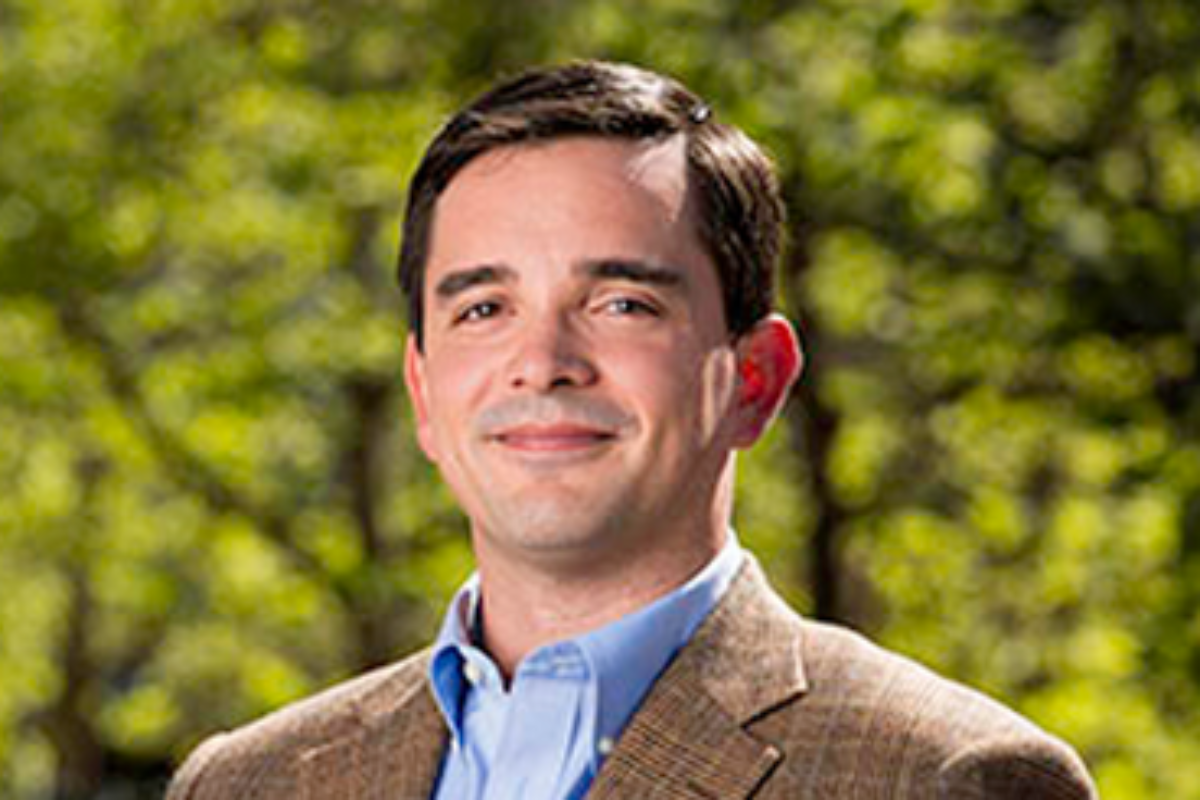
J. Michael Cherry

Lab develops and maintains the Saccharomyces Genome Database (SGD). The SGD provides information and tools on budding yeast genome, its products and their interactions. Several computational tools have been developed to provide to allow the research community to explore the collected data sets. Tools for querying >50,000 full-text papers are also provided. SGD has become an essential research tool used daily by thousands of researchers around the globe. Dr. Cherry’s second area of research is in the creation of ontologies to aid communication between biologists as well as biological database projects. His group is a founding member of the Gene Ontology (GO) Collaboration.

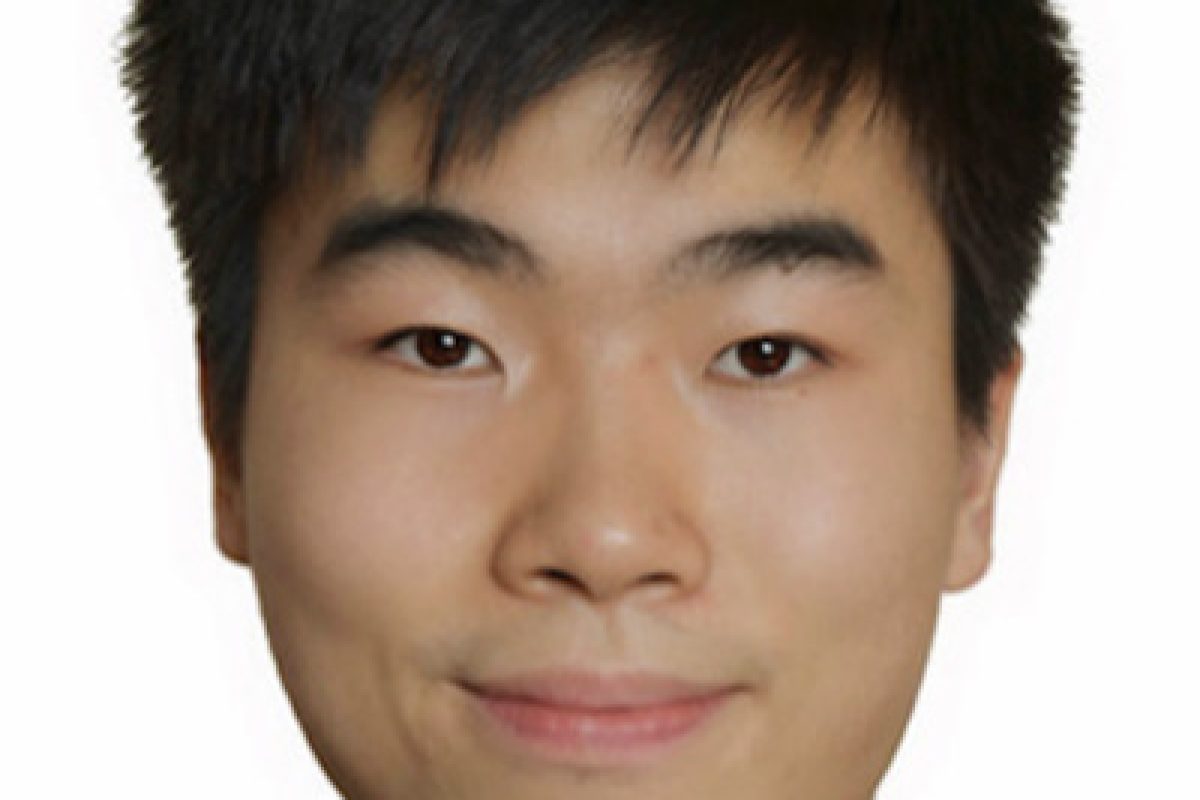
Jonathan H. Chen

In the face of ever escalating complexity in medicine, integrating informatics solutions is the only credible approach to systematically address challenges in healthcare. Tapping into real-world clinical data streams like electronic medical records with machine learning and data analytics will reveal the community’s latent knowledge in a reproducible form. Delivering this back to clinicians, patients, and healthcare systems as clinical decision support will uniquely close the loop on a continuously learning health system. My group seeks to empower individuals with the collective experience of the many, combining human and artificial intelligence approaches to medicine that will deliver better care than what either can do alone.

Margaret Brandeau

Research focus is the application of mathematical and economic models to evaluate disease prevention and treatment programs. Current research focuses on HIV and drug abuse interventions, hepatitis B screening and vaccination, pandemic influenza preparedness, and bioterror response planning.

Kwabena Boahen

Our group has two synergistic goals: To understand how brains work; this will advance treatment of neurological diseases. And to build computers that work like brains; this will increase computational power a million fold. To these two ends, we are building large-scale neural models to link cellular-level biophysical processes with the system-level functions that they enable (e.g., cognition), through an interdisciplinary effort that brings electronics and computer science in contact with neurobiology and medicine.