Posts classified under: Faculty

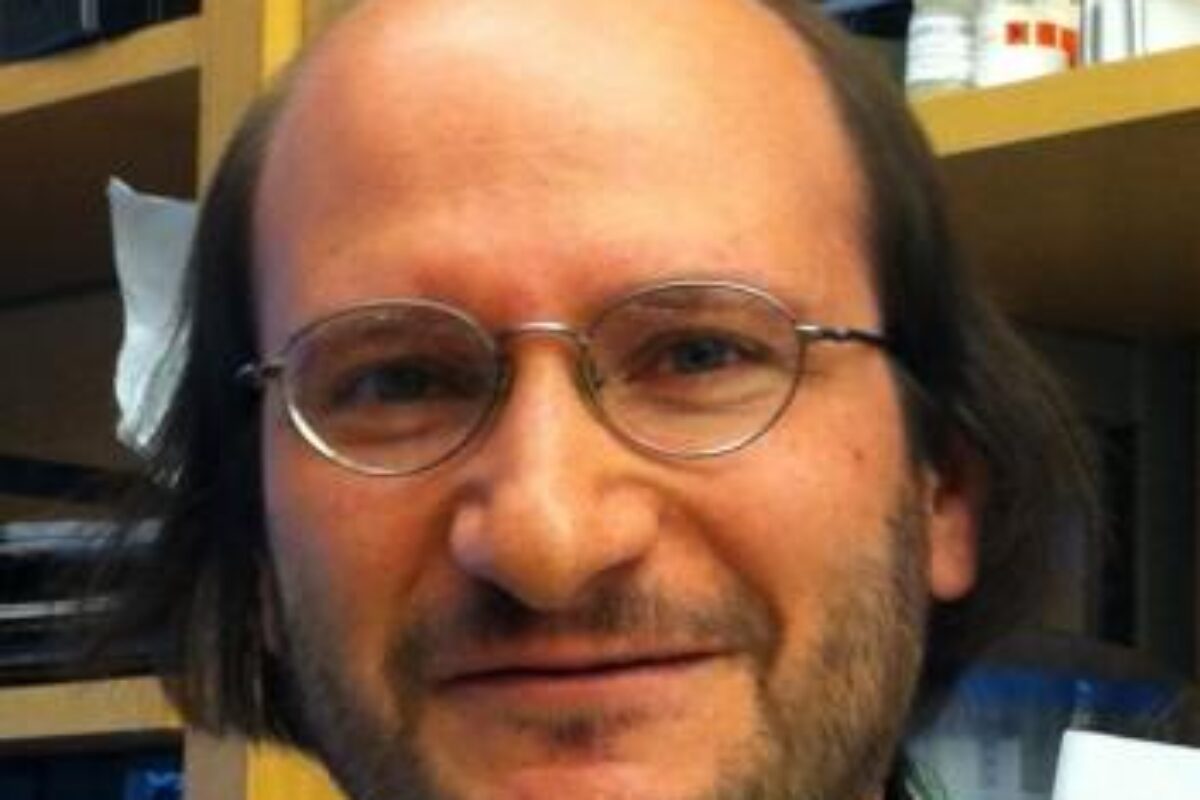
Chiara Sabatti

Chiara grew up in Brescia, Italy and obtained a master’s degree in “Economics and Social Sciences” (DES) from the Bocconi University in Milan in 1993. She came to Stanford in 1994 to pursue a PhD in Statistics, and worked with Jun Liu on multiscale MCMC methods. Between 1998 and 2000, she was a post-doctoral scholar, working with Neil Risch in Stanford’s Department of Genetics, and she was dazzled by the power of statistical methods in the booming field of genetics. In 2000, she joined the faculty at UCLA in the newly established departments of Human Genetics and Statistics. She returned to Stanford in 2009, with appointments in Health Research and Policy and in Statistics.

Chiara was one of the founding members of the new Department of Biomedical Data Science, where she now serves as Associate Chair of Education and Training. Since 2010, Chiara has served as Faculty Director of the longstanding  Workshop in Biostatistics series, which provides a key educational opportunity for students and faculty alike. She is involved in the Stanford Data Science Initiative, and her work is partly supported by an NSF grant which encourages collaboration across many Data Science Hubs across the United States. She also serves as the Associate Director of the Undergraduate Major in Mathematical and Computational Science program, also known as Stanford’s Data Science Major. For the last two years, she has served as a faculty mentor in the summer Data Science for Social Good fellowship program. She is happiest when working through a hard problem with students and she never turns down the opportunity for a philosophical chat
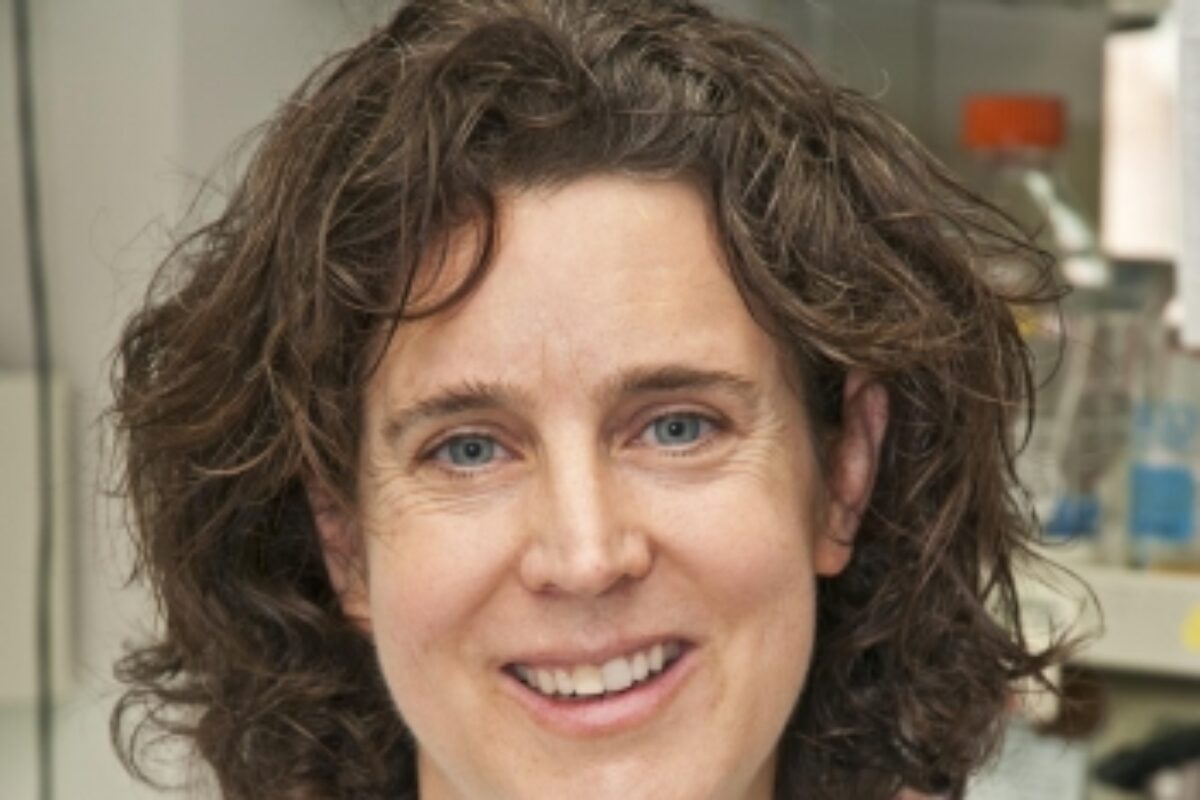
Catherine Blish

The Blish lab is focused on using a systems immunology approach to develop new methods to prevent and control infectious diseases. Our studies are highly translational in nature, bringing comprehensive immune profiling techniques such as mass cytometry to clinical and epidemiologic studies of HIV transmission and influenza vaccination. We are particularly interested in the role of NK cells in viral immunity, the etiology behind the susceptibility of pregnant women to viruses, and the impact of viral diversity and escape in the interplay between the virus and the host immune response.

Michael Bassik

We study how endocytic pathogens such as bacterial toxins, viruses, and protein aggregates enter the cell, disrupt homeostasis, and cause apoptosis. More broadly, we would like to understand how diverse stresses induced by biological, chemical, and therapeutic agents signal to the cell death machinery.

To do this, we use basic cell biology and biochemistry, as well as novel ultra-complex shRNA libraries we have developed, which have allowed the first systematic genetic interaction maps in mammalian cells. A complementary interest is the development of technologies for screening and measuring genetic interactions, with the ultimate goal of finding synergistic drug targets for endocytic pathogens and other diseases such as cancer and Alzheimer’s.

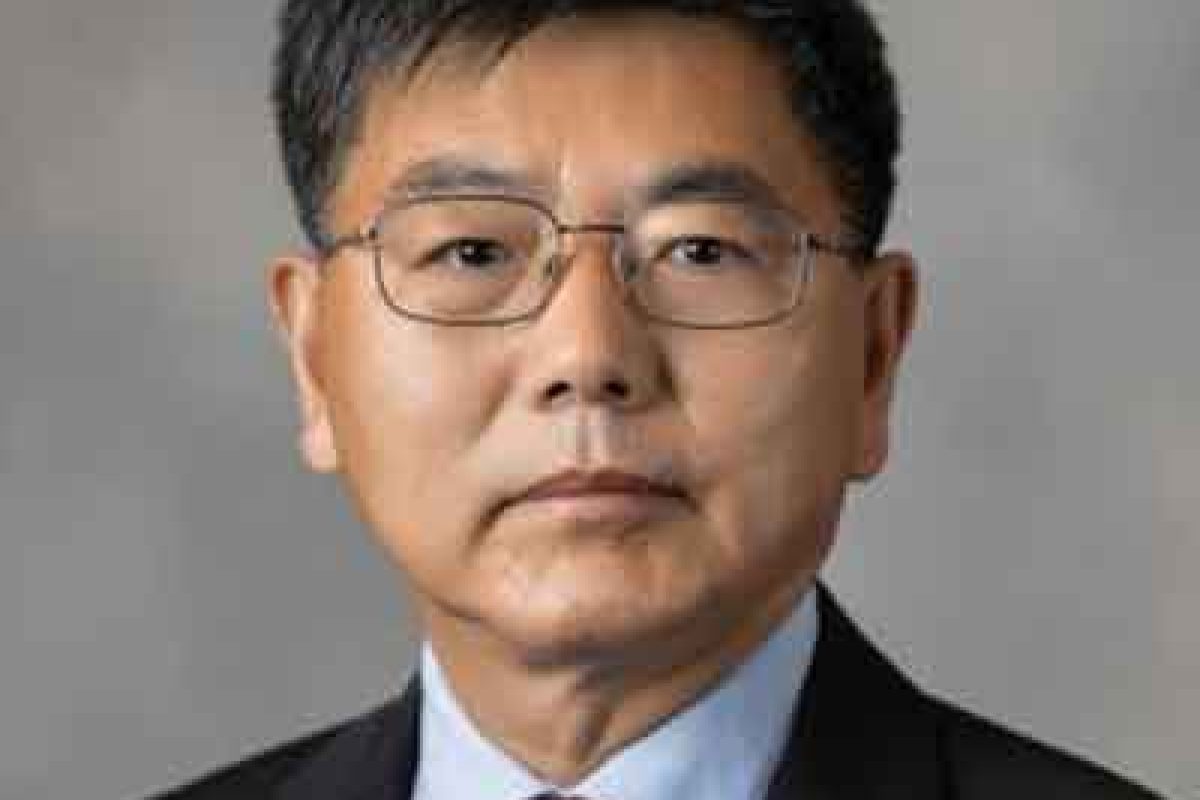
Lei Xing

Medical imaging informatics, image reconstruction, Image-guided intervention, CT, MRI and radionuclide imaging (PET/CT, SPECT/CT), intensity modulated radiation therapy (IMRT), treatment planning and plan optimization, image segmentation and deformable registration, tele-radiology/treatment planning, radiobiology modeling, biologically conformable radiation therapy (BCR), application of molecular imaging to radiation oncology.

https://med.stanford.edu/profiles/lei-xing