
Posts classified under: Faculty

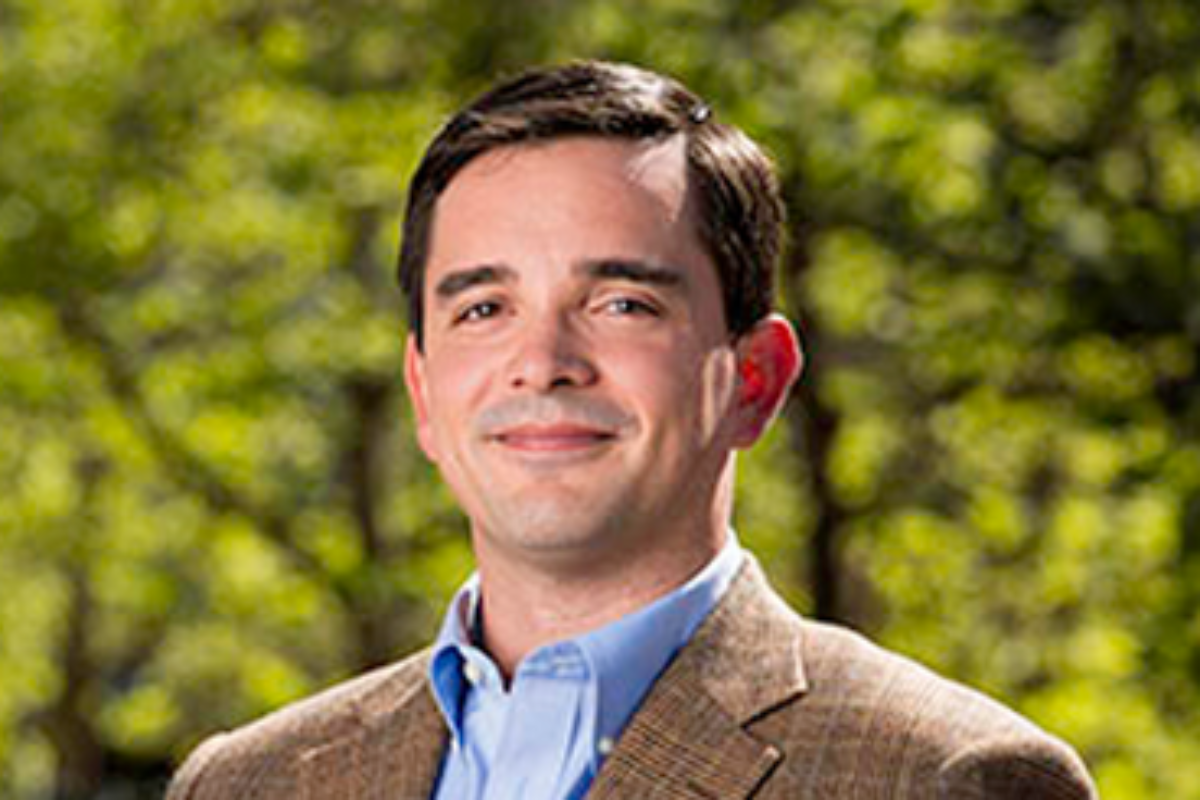
Michael Baiocchi

Michael Baiocchi, Ph.D., is an interventional-statistician, creating interventions and the means for analyzing them. He specializes in creating simple, easy to understand statistical methodologies for getting reliable results out of messy data and messy situations. His research is in nonparametric estimation and design-based inference. His main lines of applied research are in prevention of gender-based violence and health outcomes/health policy. He’s also done work in educational interventions, criminology, smoking prevention, and pediatric care.

Andrew Gentles

Research focuses on using genomic datasets from next-generation sequencing and array technologies in combination with clinical data to identify processes driving disease.

Research Areas: 

  • Bioinformatics
  • Computational Biology
  • Systems Biology
  • Machine Learning
  • Cancer
  • Neurodegenerative Disease
  • Genomics
  • Proteomics

Nima Aghaeepour

Our laboratory uses machine learning in various clinical settings to predict and improve patients’ outcomes. This includes integrative “multiomics” analysis across genomics, proteomics, metabolomics, and single-cell technologies, as well as quantitative clinical phenotyping using wearable devices.

Research Areas: 

  • Systems Biology
  • Machine Learning
  • Artificial Intelligence
  • Multiomics Profiling
  • Single Cell Biology
  • Electronic Health Records
  • Wearable Devices
  • Maternal and Child Health
  • Perioperative Care

John Witte

The Witte Lab is a computational and epidemiological research group investigating the genetic and environmental contributions to disease risk and progression. We develop and apply novel genetic epidemiological methods to decipher the mechanisms underlying complex diseases. Current areas of research include the following: 1) Evaluating disease risk with novel approaches to polygenic risk scores and hierarchical models; 2) Assessing the shared genetic basis across different diseases and traits (pleiotropy); and 3) Finding genetic risk factors, improving screening, and reducing disparities in cancer.

Research Areas: 

  • Bioinformatics
  • Statistical Genetics
  • Cancer Risk Prediction
  • Genetic Epidemiology
  • Epidemiology Methods