Category Archives: DBDS

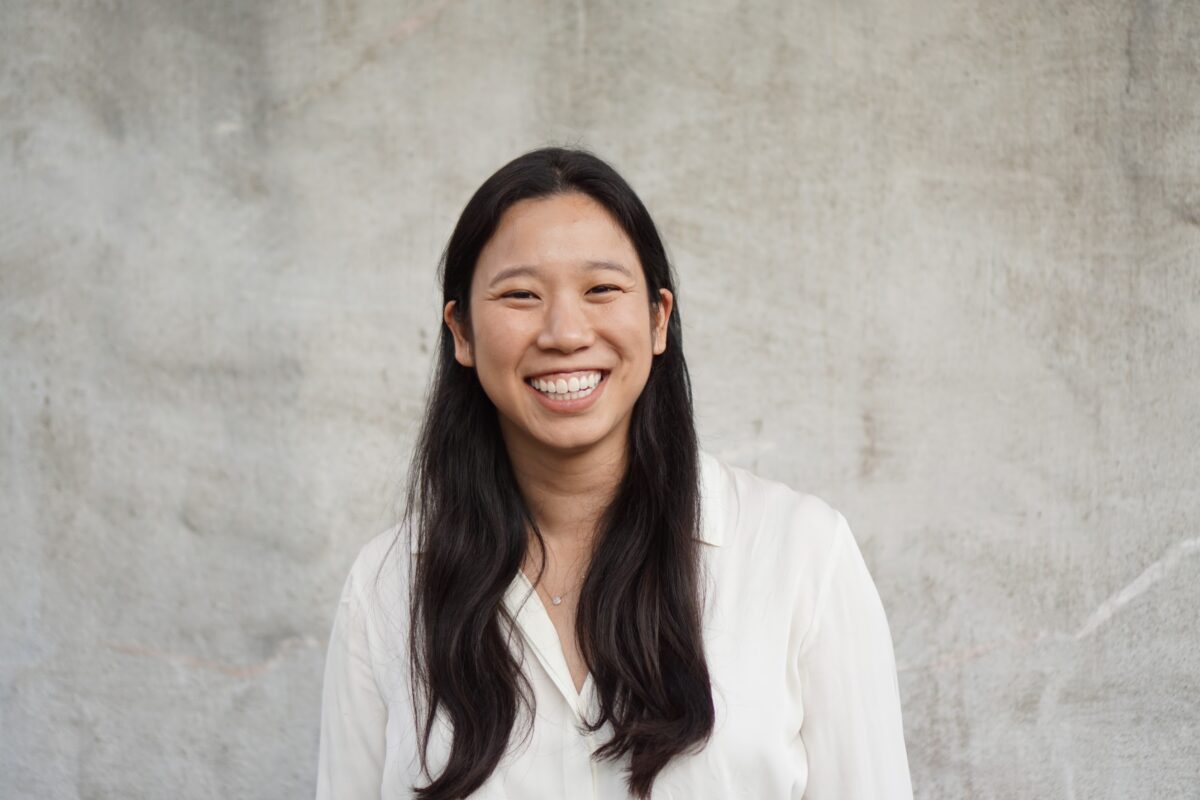
Min Woo Sun and Robert Tibshirani publish “Public health factors help explain cross country heterogeneity in excess death during the COVID19 pandemic” in Nature Scientific Reports

Abstract

The COVID-19 pandemic has taken a devastating toll around the world. Since January 2020, the World Health Organization estimates 14.9 million excess deaths have occurred globally. Despite this grim number quantifying the deadly impact, the underlying factors contributing to COVID-19 deaths at the population level remain unclear. Prior studies indicate that demographic factors like proportion of population older than 65 and population health explain the cross-country difference in COVID-19 deaths. However, there has not been a comprehensive analysis including variables describing government policies and COVID-19 vaccination rate. Furthermore, prior studies focus on COVID-19 death rather than excess death to assess the impact of the pandemic. Through a robust statistical modeling framework, we analyze 80 countries and show that actionable public health efforts beyond just the factors intrinsic to each country are important for explaining the cross-country heterogeneity in excess death.

Our work on COVID-19 excess death and public health factors has been published in Nature Scientific Reports: https://www.nature.com/articles/s41598-023-43407-0.

knight hennessy scholars, cohort of 2023

Welcome DBDS Knight-Hennessey Scholars, cohort of 2023!

The scholars in the 2023 cohort come from 29 countries, including the first scholars from Hungary, Malawi, the Netherlands, Russia, Sierra Leone, and Turkey. They have earned degrees from 55 institutions, including 17 outside of the United States. At Stanford, they will pursue graduate degrees in 38 degree programs across all seven schools.

Conor Messer (left), from Denver, Colorado, is pursuing a master’s degree in biomedical data science at Stanford School of Medicine. He graduated summa cum laude from Northeastern University with a bachelor’s degree in bioengineering and minors in computer science and vocal performance. Conor aspires to harness data to achieve more equitable health outcomes by changing how it is collected and utilized, both in research and in the clinic.

Read more about Conor here. 

Rahul Thapa (right), from Euless, Texas (originally from Chitwan, Nepal), is pursuing a PhD in biomedical informatics at Stanford School of Medicine. He graduated summa cum laude from Villanova University with a bachelor’s degree in computer science. Rahul aspires to collaborate with AI and health care experts to develop machine learning methods that are useful, reliable, and fair for the advancement of health care.

Read more about Rahul here.