
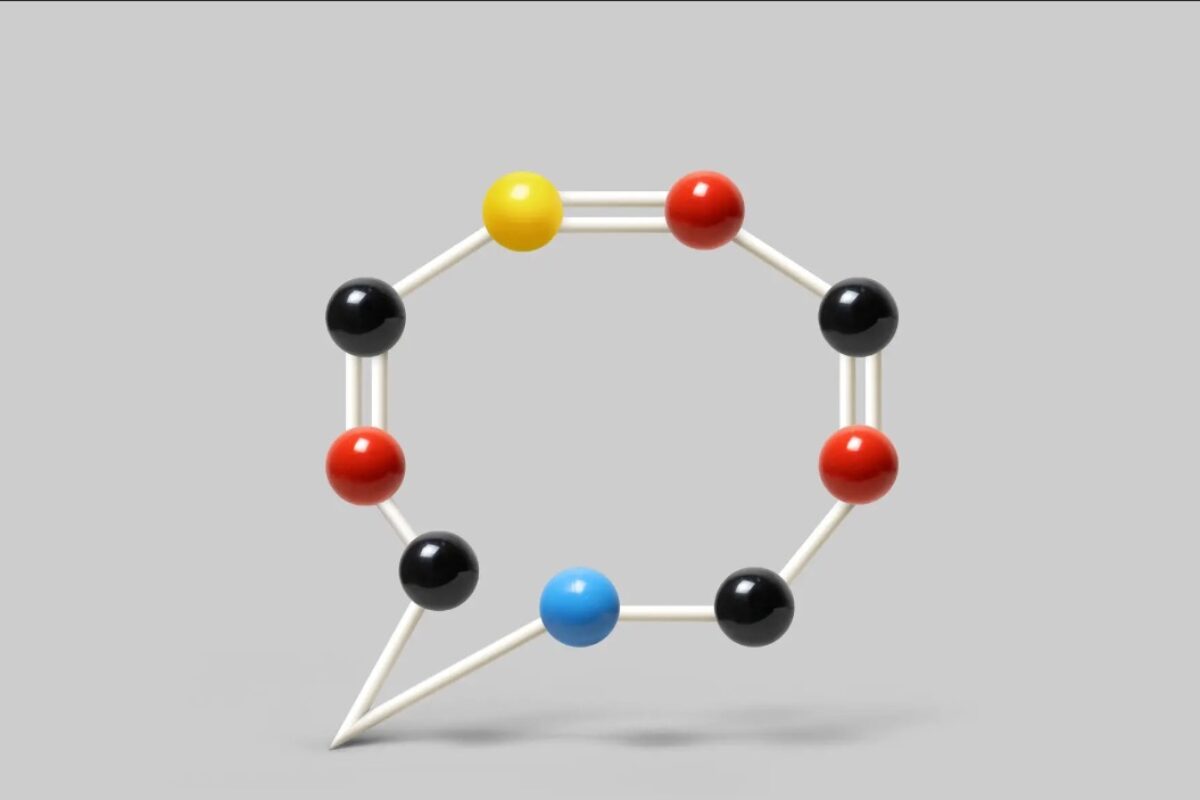
DBDS PhD student Yusuf Roohani’s work on universal cell embeddings was featured in a New York Times article: “A.I. is learning what it means to be alive.” This foundation model for cell biology is able to map any cell from any species or tissue into a unified latent space, eliminating the need for model tuning or label information. The article describes how such efforts are bringing scientists closer to the vision of a virtual cell.
Congratulations, Yusuf!

Hospitals struggle to validate AI-generated clinical summaries
Click here to read
AI health care companies say they’ll keep humans in the loop. But what does that actually mean?
“‘Human in the loop’ is a stop-gap solution to make progress and punt questions around trust, liability, cross population performance, and a full accounting of the consequences of algorithm-guided work to a later date,” Stanford Health Care’s chief data scientist Nigam Shah told STAT. “It’s basically a get out of jail free card in my view.”
Click here to read
A new $5 million grant from the Warren Alpert Foundation was recently awarded to the Department of Biomedical Data Science (DBDS) at the Stanford School of Medicine. The grant will fund the training of 15 graduate scholars over the next five years to enhance training and retention of scholars in computational biology/artificial intelligence (CBAI).
Read the story here: https://dbds.stanford.edu/five-million-warren-alpert-foundation-to-fund-15-computational-biology-ai-scholars/