Author Archives: DBDS Admin

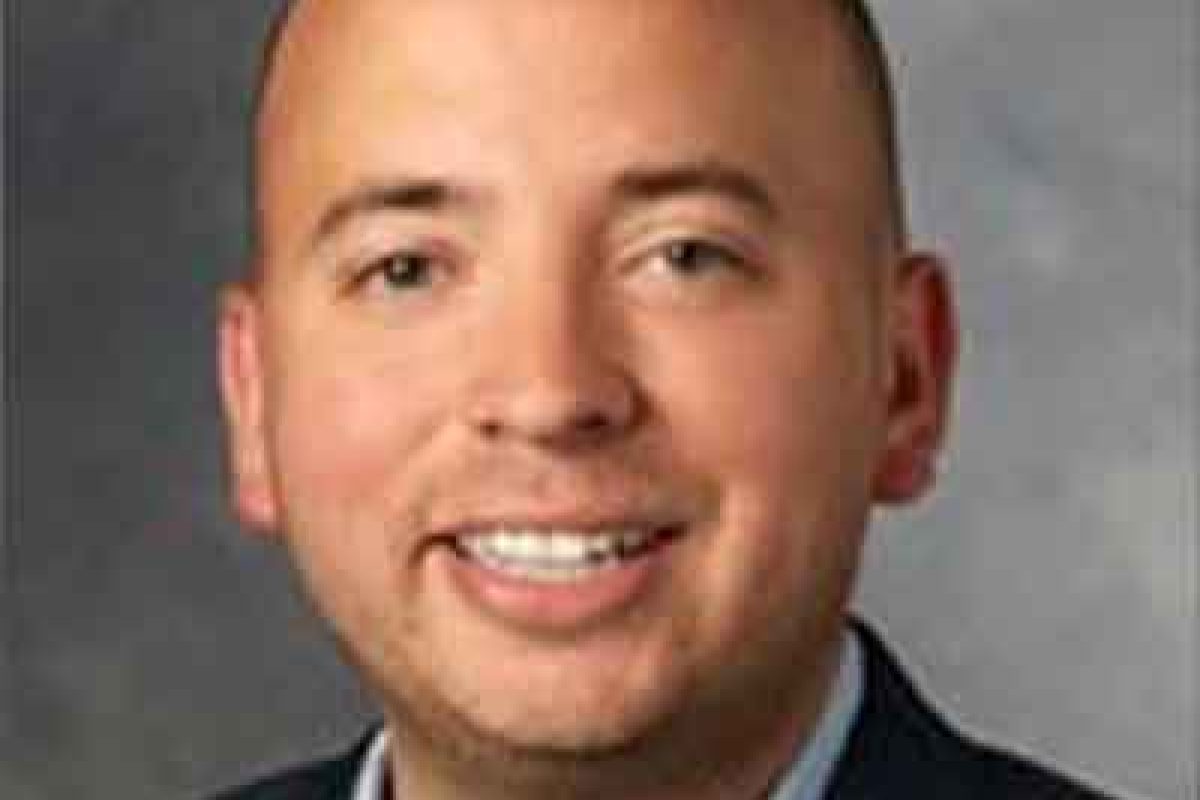
Jean Fan

Weekly Seminar 11/30: Jean Fan

Date: 11/30/23

Speaker: Jean Fan, Assistant Professor of Biomedical Engineering at Johns Hopkins University

Title: Computational Methods for Comparative Spatial Omics Analysis

Abstract: Mammalian tissues are comprised of many molecularly and functionally distinct cell-types and cell-states organized into meso-scale structures and patterns to achieve intricate biological functions. Likewise, cells within tissues regulate thousands of interacting genes and other molecules to sense, respond to, and shape their tissue microenvironments. In turn, extrinsic signals from the local microenvironment impact cell state and cell-type specification. Recent advances in high-throughput spatial transcriptomics (ST) technologies now enable the identification and characterization of these cell-type and their molecular states in health versus disease while preserving the cell’s spatial context. Application of these ST technologies provides the opportunity to contribute to a more complete understanding of how cellular spatial organization relates to tissue function and how cellular spatial organization is altered in disease. New statistical approaches and scalable computational tools are needed to connect these molecular states and spatial-contextual differences. In this talk, I will provide an overview the latest ST technologies as well as associated computational analysis methods developed by my lab and their applications. I will highlight our development of STalign to align 2D spatially resolved transcriptomics datasets within and across technologies and to 3D common coordinate framework in order to make molecular and cell-type compositional comparisons at matched spatial locations across structurally similar tissues. I will present ongoing developments of CRAWDAD, Cell-type Relationship Analysis Workflow Done Across Distances, to quantitatively evaluate cell-type spatial relationships across different length scales to make cell-type relational comparisons. We anticipate that such statistical approaches and computational methods for analyzing spatially resolved transcriptomic data will offer the potential to identify and characterize spatial organizational differences and contribute to important fundamental biological insights regarding how cell-type spatial organization differs in healthy and diseased settings.


For more info: https://dbds.stanford.edu/jean-fan-weekly-seminar-11-30-23/

Light bulb in the palm of a hand

Data Studio 11/29: Cardiac Events after Radiation of Chemotherapy in Breast Cancer Patients

Cardiac Events after Radiation of Chemotherapy in Breast Cancer Patients

DATE: Wednesday, 29 November 2023

TIME: 3:00–4:30 PM

LOCATION: Conference Room X399, Medical School Office Building, 1265 Welch Road, Stanford, CA

INVESTIGATORS:

Scott Jackson (1)

Michael Binkley (1)

  1. Department of Radiation Oncology

WEBPAGE: https://dbds.stanford.edu/data-studio/

ABSTRACT

The Data Studio Workshop brings together a biomedical investigator with a group of experts for an in-depth session to solicit advice about statistical and study design issues that arise while planning or conducting a research project. This week, the investigator(s) will discuss the following project with the group.

INTRODUCTION

This observational study consists of two patient groups: the treatment group receives combined radiation with Chemotherapy (XRT+Chemo) and the control group receives Chemotherapy (Chemo). Our project concerns competing risk regression for cardiac events. Death is a competing risk. Some of the covariates of interest only apply to the XRT+Chemo patients, namely, those related to radiation.

HYPOTHESIS & AIM

What is the risk for breast cancer patients of cardiac events after either XRT+Chemo or Chemo?


For more info:  https://dbds.stanford.edu/data-studio/

Serena Yeung

DBDS faculty featured prominently in cover story of latest SOM Magazine: “Medicine’s AI Boom: The Stanford Impact”

Eleven of DBDS’ faculty and associated faculty were featured in the latest issue of Stanford Medicine Magazine.
The Stanford Impact” focused on a wide scope of researchers that impact the AI work done in DBDS, including Nigam Shah, Serena Yeung (pictured), Roxana Daneshjou, Tina Hernandez-Boussard and James Zou.
“If you poll the 1,200 faculty in the School of Medicine, I’d be surprised if more than 10% know about any of Stanford’s AI history,” said Shah, MBBS, PhD, professor of medicine and of biomedical data science and chief data scientist for Stanford Health Care. “A lot of people think this right now is the first AI hype cycle,” the story quoted, and went on to include how AI is defined and in which ways Stanford is taking the lead in the field.
Manuel Rivas

Weekly Seminar: Manny Rivas, “Prediction and inference from population scale datasets” 11/16

Prediction and inference from population scale datasets

Thursdays 11/16 1:30-3:00 pm in MSOB x303

Population biobanks are a valuable resource for identifying genetic and environmental factors that contribute to disease. Recent advances in statistical methods and computational power have enabled the analysis of large-scale datasets from these biobanks, leading to the discovery of novel therapeutic targets and pathways. This seminar will present on the use of population biobank scale datasets for the analysis of renal, liver, and sex hormone biomarkers. In addition, I will discuss the path from statistical methodological development to target identification for glaucoma to therapeutic development using monoclonal antibodies to mimic effects of protective mutations in humans. Finally, I will present on approaches for disease risk prediction using genetics, metabolomics, and proteomics data. Together, the methods and applications presented in this talk demonstrate the value of population-scale cohorts to advance our understanding of disease and development of new treatments.

Suggested reading:

Rare protein-altering variants in ANGPTL7 lower intraocular pressure and protect against glaucoma, https://journals.plos.org/plosgenetics/article?id=10.1371/journal.pgen.1008682

Genetics of 35 blood and urine biomarkers, https://www.ncbi.nlm.nih.gov/pmc/articles/PMC7867639/

Tanigawa Y, Qian J, Venkataraman G, Justesen JM, Li R, Tibshirani R, et al. (2022) Significant sparse polygenic risk scores across 813 traits in UK Biobank. PLoS Genet 18(3): e1010105. https://doi.org/10.1371/journal.pgen.1010105

Bayesian model comparison for rare-variant association studies
GR Venkataraman, C DeBoever, Y Tanigawa… – The American Journal of Human Genetics, 2021. Julia Carrasco-Zanini,et al.
  doi:

This weekly seminar (running during Fall, Winter and Spring quarters) doubles as a class “Workshops in Biostatistics (BIODS/STATS 260).”