Please join us at the next monthly CCSB Seminar, Friday, April 19, from 11 AM to 12 PM.
The Stanford Center for Cancer Systems Biology Seminar Series aims to bring together experimental and computational researchers.
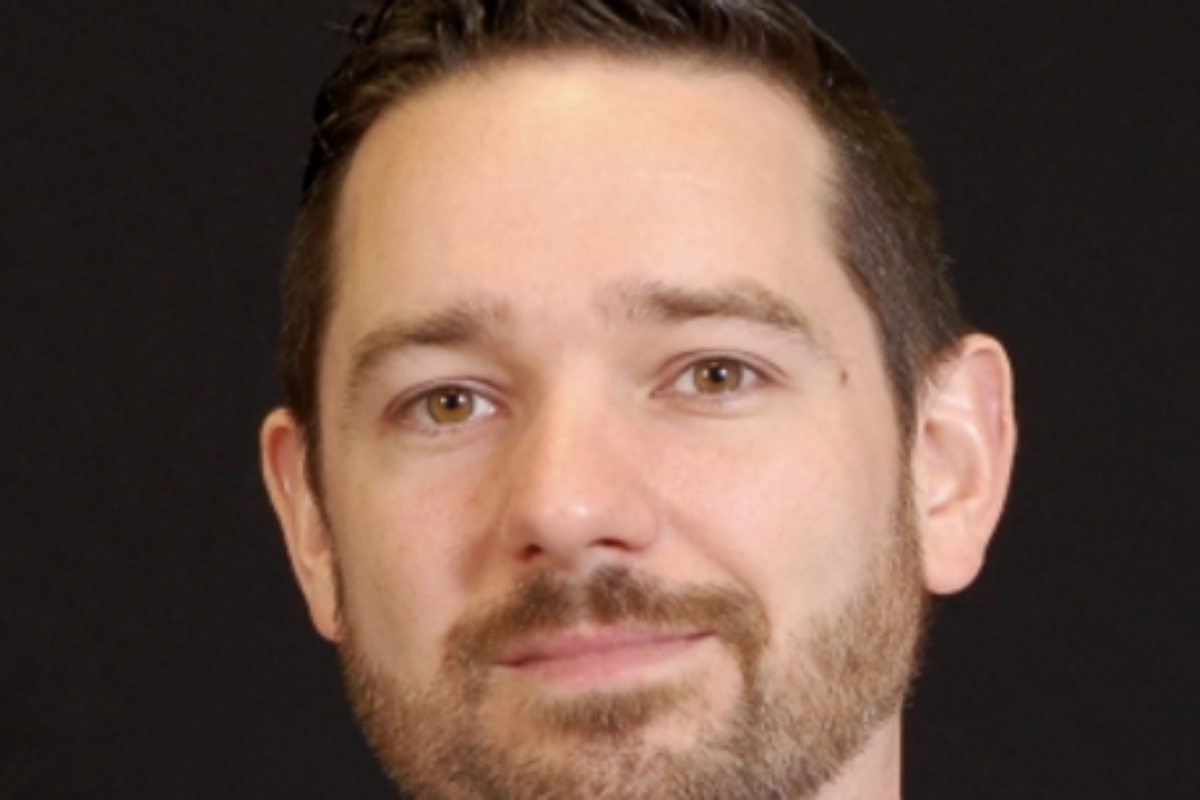
Speaker: Dr. Sean Bendall, Associate Professor in the Department of Pathology
Title: Multi-generational decisions in single cell biology
Abstract:
Single cell and spatial proteomics, starting with the earliest low parameter fluorescent cytometry and microscopy experiments, helped define the major cell subsets and architecture of human tissues as we understand them today. Now, a novel combination of elemental mass spectrometry with single cell analysis (mass cytometry – CyTOF, Science 2011) and nanometer-scale imaging (multiplexed ionbeam imaging – MIBI, Nature Med. 2014, Cell 2018, Science Adv., 2019) offers routine, simultaneous quantification of > 40 proteomic features without fluorescent agents or interference from spectral overlap and autofluorescence using heavy metal isotopes as reporters. With this, we have reached new levels of understanding in tissue immune organization, combined with novel single-cell visualization and analysis methods. By identifying new cell populations, regulatory relationships, and structural rulesets we have identified numerous clinically predictive features underlying human disease.
Location: James H. Clark Center, Room S360, 3rd floor next to the Coffee Shop (our refreshments provider!).
Or Online: Zoom link
Please contact Corinne Beck if you have any questions and feel free to subscribe to our mailing list here to receive our announcements and updates.