Nima Agheepour in Nature Medicine: AI can help doctors give intravenous nutrition to preemies, Stanford Medicine study finds

An algorithm that learned from tens of thousands of nutrition prescriptions for premature babies could reduce medical errors and better identify what nutrients the smallest patients need.

You may remember that Nima presented this work at the C&C in January.
Read it here: https://med.stanford.edu/news/all-news/2025/03/prematurity-nutrition0.html

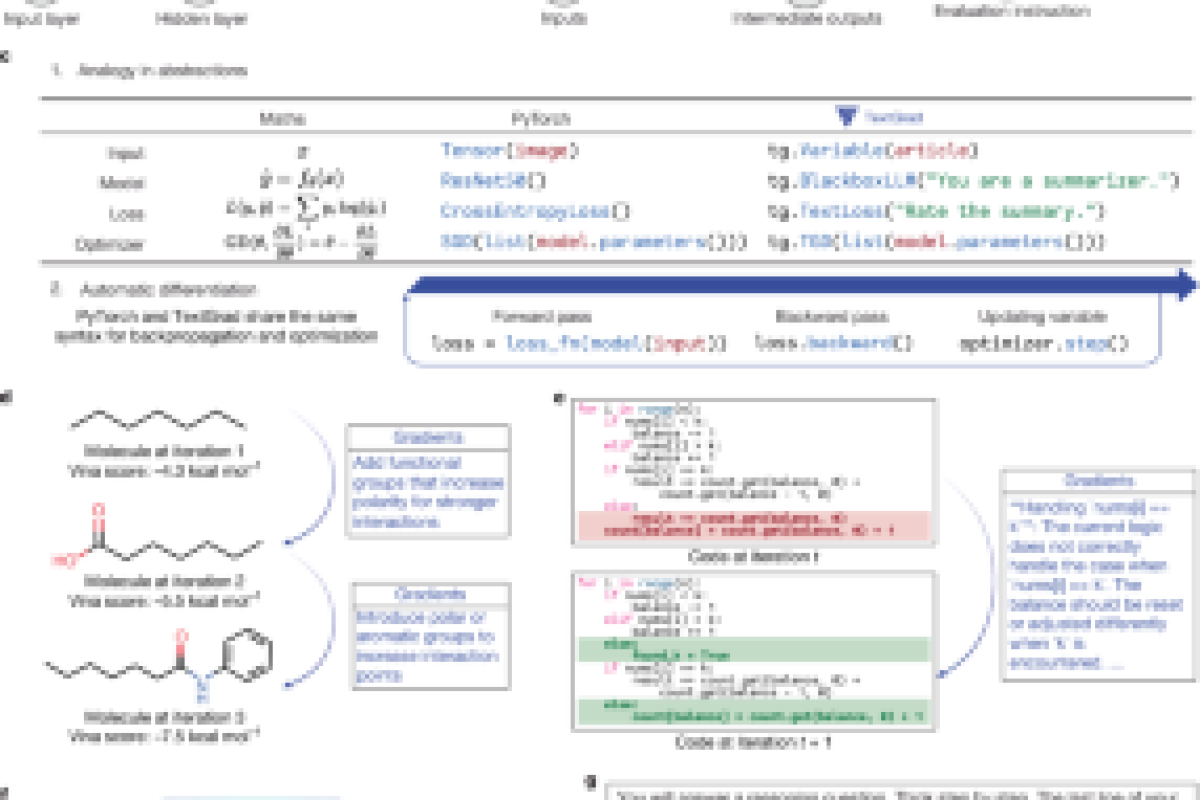
Zou group’s TextGrad method for self-improving generative AI is published in Nature

Abstract: Recent breakthroughs in artificial intelligence (AI) are increasingly driven by systems orchestrating multiple large language models (LLMs) and other specialized tools, such as search engines and simulators. So far, these systems are primarily handcrafted by domain experts and tweaked through heuristics rather than being automatically optimized, presenting a substantial challenge to accelerating progress. The development of artificial neural networks faced a similar challenge until backpropagation and automatic differentiation transformed the field by making optimization turnkey. Analogously, here we introduce TextGrad, a versatile framework that performs optimization by backpropagating LLM-generated feedback to improve AI systems….
Read it here: https://www.nature.com/articles/s41586-025-08661-4

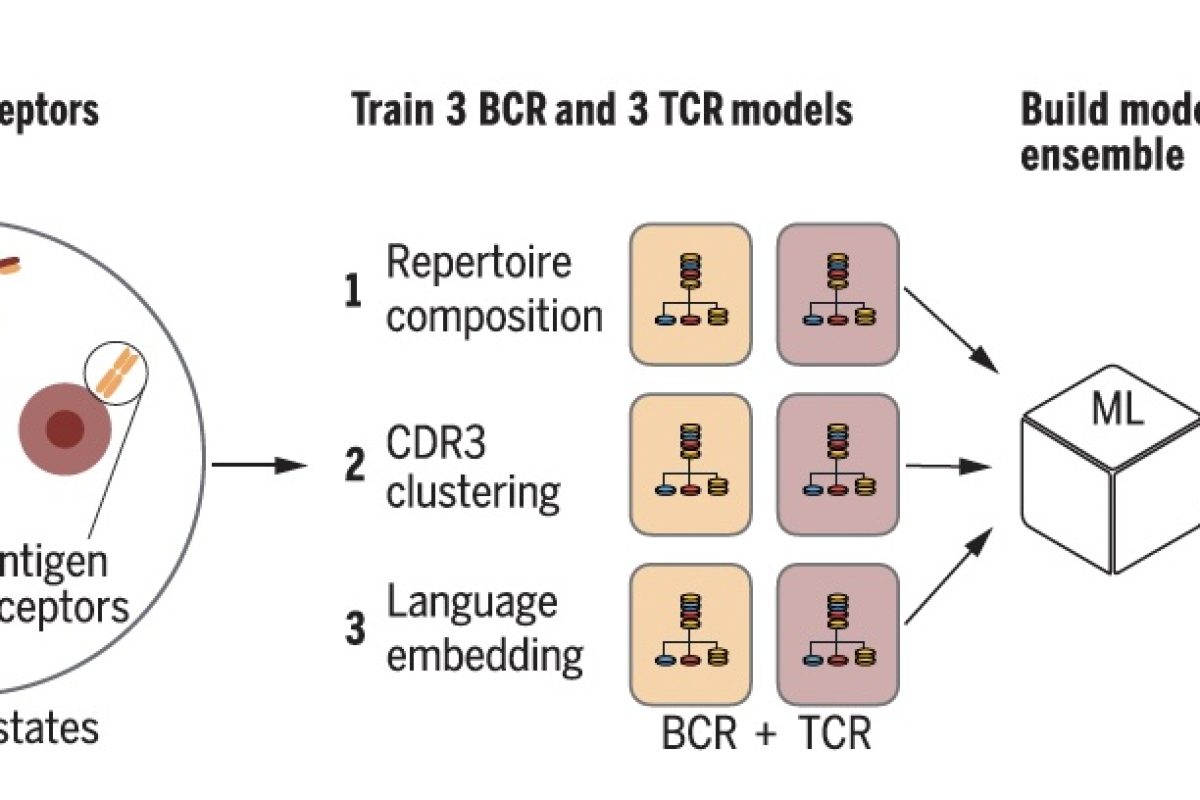
Erin Craig is co-author of “Disease diagnostics using machine learning of B cell and T cell receptor sequences” published in Science

Abstract: Clinical diagnosis typically incorporates physical examination, patient history, various laboratory tests, and imaging studies but makes limited use of the human immune system’s own record of antigen exposures encoded by receptors on B cells and T cells. We analyzed immune receptor datasets from 593 individuals to develop Machine Learning for Immunological Diagnosis, an interpretive framework to screen for multiple illnesses simultaneously or precisely test for one condition. This approach detects specific infections, autoimmune disorders, vaccine responses, and disease severity differences…..
Read it here: https://www.science.org/doi/10.1126/science.adp2407

cover of biomedical engineering

Roxana Daneshjou lands cover of Nature Biomedical Engineering

“Auditing the inference processes of medical-image classifiers by leveraging generative AI and the expertise of physicians” by Roxana Daneshjou (et all) was featured on the latest cover of Nature Biomedical Engineering.

Abtract: The inferences of most machine-learning models powering medical artificial intelligence are difficult to interpret. Here we report a general framework for model auditing that combines insights from medical experts with a highly expressive form of explainable artificial intelligence. Specifically, we leveraged the expertise of dermatologists for the clinical task of differentiating melanomas from melanoma ‘lookalikes’ on the basis of dermoscopic and clinical images of the skin, and the power of generative models to render ‘counterfactual’ images to understand the ‘reasoning’ processes of five medical-image classifiers.

Read it here: